
Best Free DAWs for Drum and Bass Producers
A practical guide to the best free DAWs for drum and bass production, plus what actually matters when you’re starting out.
Disclosure: this article contains affiliate links. If you buy through them, Drum and Bass UK may earn a commission at no extra cost to you.
The barrier is rarely the music.
It tends to show up earlier, somewhere between curiosity and commitment. You start looking at software, see the prices, and suddenly the whole thing feels heavier than it should.
£150, £200, sometimes more. For something you are not even sure you will stick with yet. Enough to stop the idea before a single kick drum lands.
That hesitation is common. People want to start making drum and bass at home, but the cost of a DAW feels like the first real obstacle. It is an easy place to pause, or to leave it altogether.
The reality now is simpler than it used to be. You do not need to pay to get started, and you do not need to compromise as much as you might think.
You can make proper drum and bass on free software
Free no longer means limited in the way it once did. There are DAWs that will handle full arrangements, automation, plugins, and exports without getting in your way.
The difference is how they feel when you use them. Some let you move quickly, building a groove before you overthink it. Others take a bit longer to get going, but give you more control once everything is in place.
For drum and bass, that first part matters. You want to hear something working early. A drum pattern that locks. A bassline that sits properly underneath. If that takes too long, you lose momentum.
Waveform Free: quick to start, easy to stay in
Waveform Free feels modern straight away. You can open it, sketch a drum loop, drop in a bass sound, and get something moving without much setup.
That speed suits drum and bass. The first job is always testing groove. Whether the drums carry weight, whether the bass pushes or drifts. You want that answer quickly.
The stock sounds are functional, but once you bring your own drums in, it starts to click. It also holds together when you begin leaning into the low-end, which is where weaker setups tend to struggle.
Cakewalk by BandLab: more depth, more control
Cakewalk leans more towards a traditional studio layout. You get a proper mixer, routing options, and a sense that everything has a place.
It can feel slower at first. You spend a bit more time setting things up before anything really hits. Once you are moving, though, it is stable.
The low-end translates well, and you can push things without the mix falling apart. That matters once you move beyond simple loops and start shaping a full track.
GarageBand: simple on the surface, capable underneath
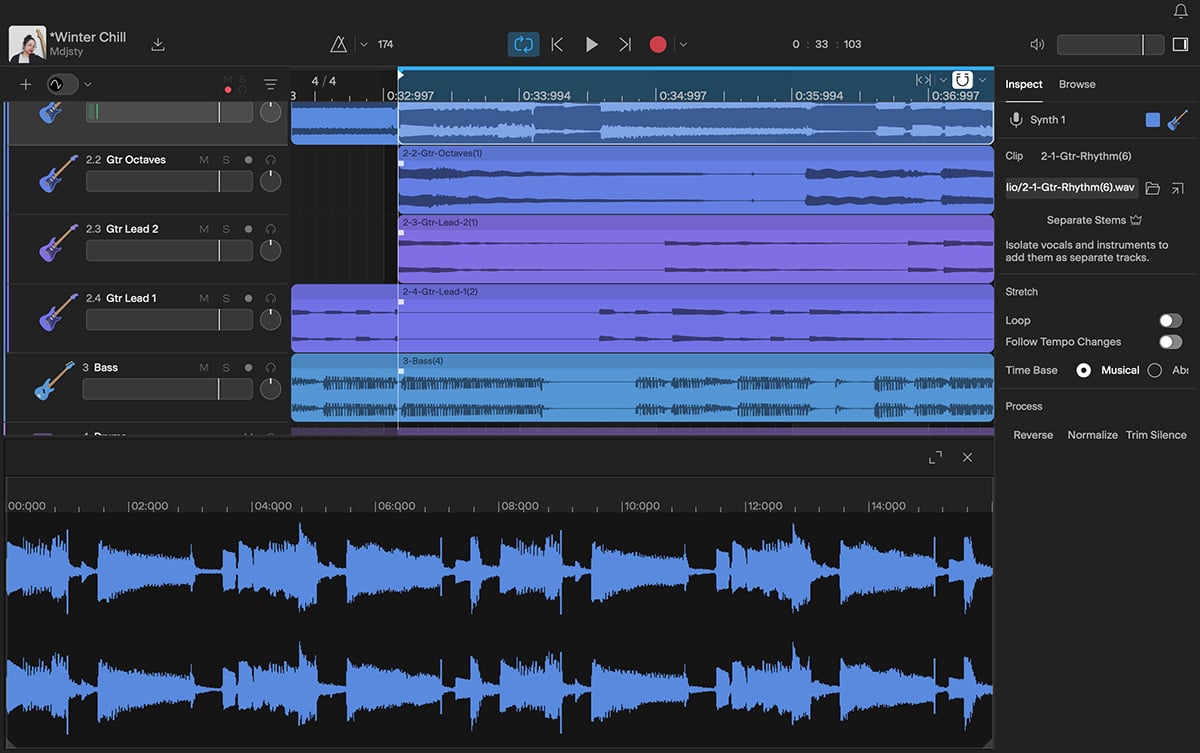
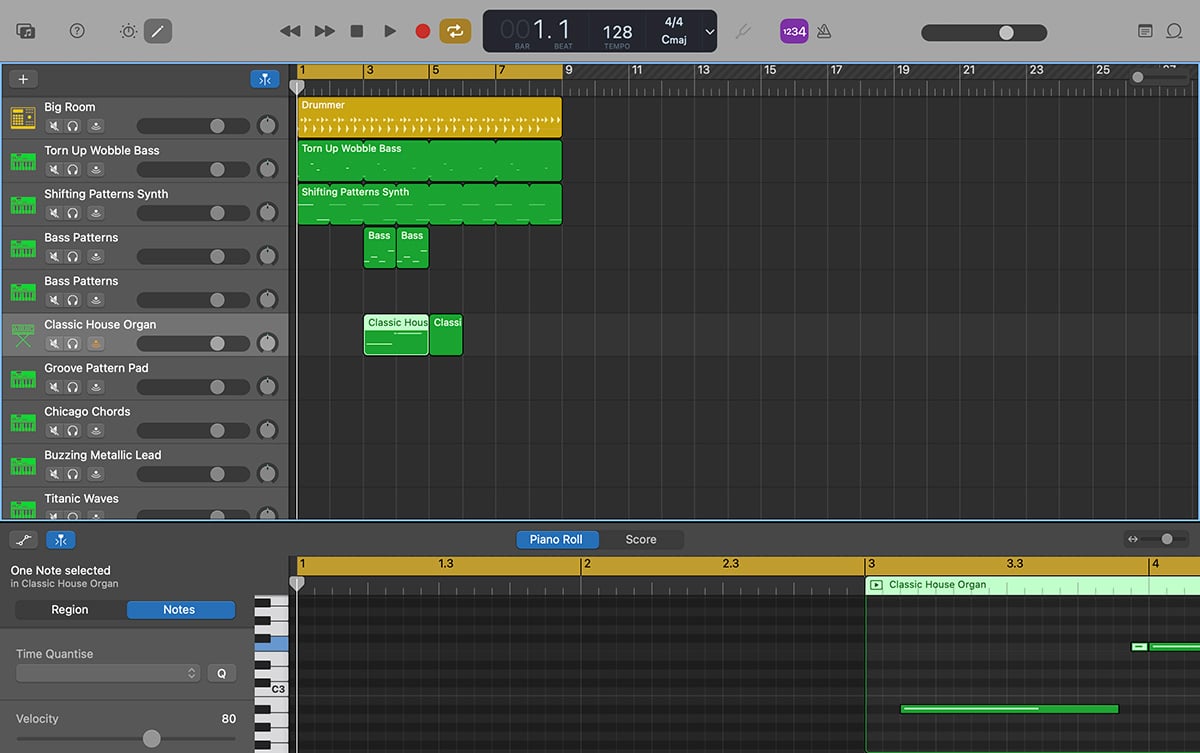
GarageBand often gets dismissed too quickly. Underneath the simplified layout, it still runs on Logic’s core, and that carries further than people expect.
You can arrange full tracks, automate key elements, and shape something that feels complete. The workflow is especially clear when working with MIDI, which helps when you are learning how patterns and phrasing fit together.
The limits appear when you want deeper control over routing or mixing. At that point it can feel restricted, but for getting started it does the job comfortably.
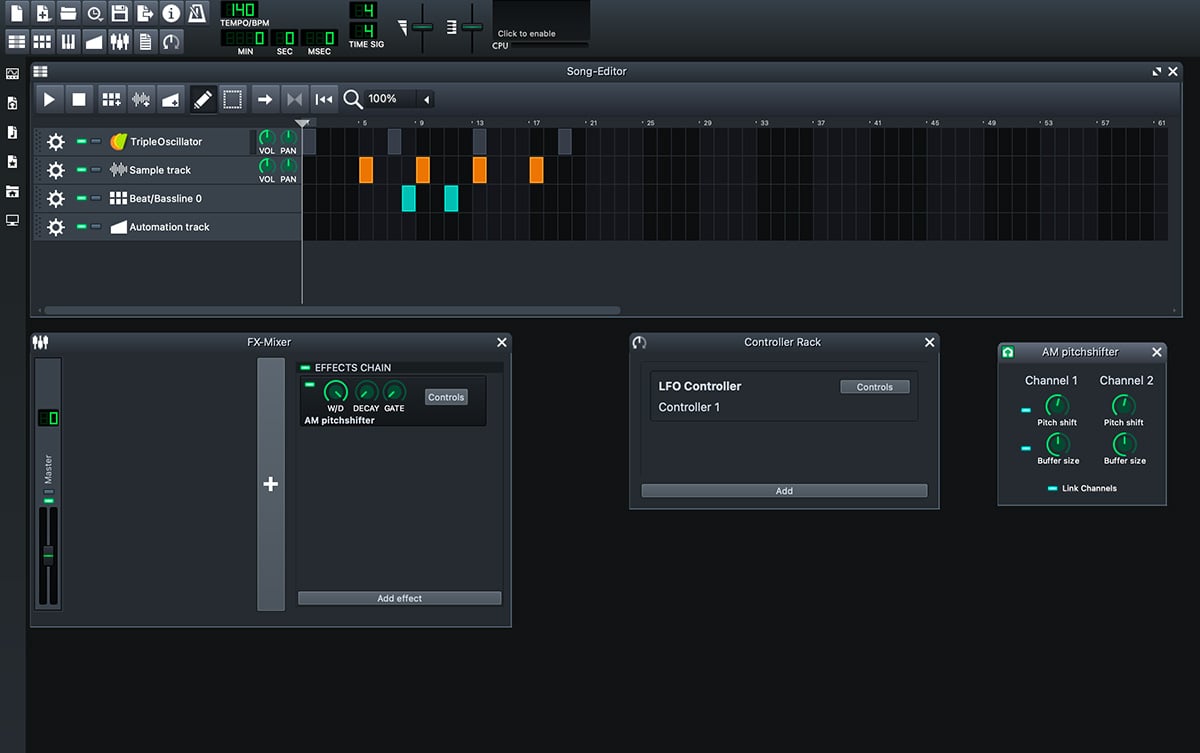
LMMS: less refined, still useful
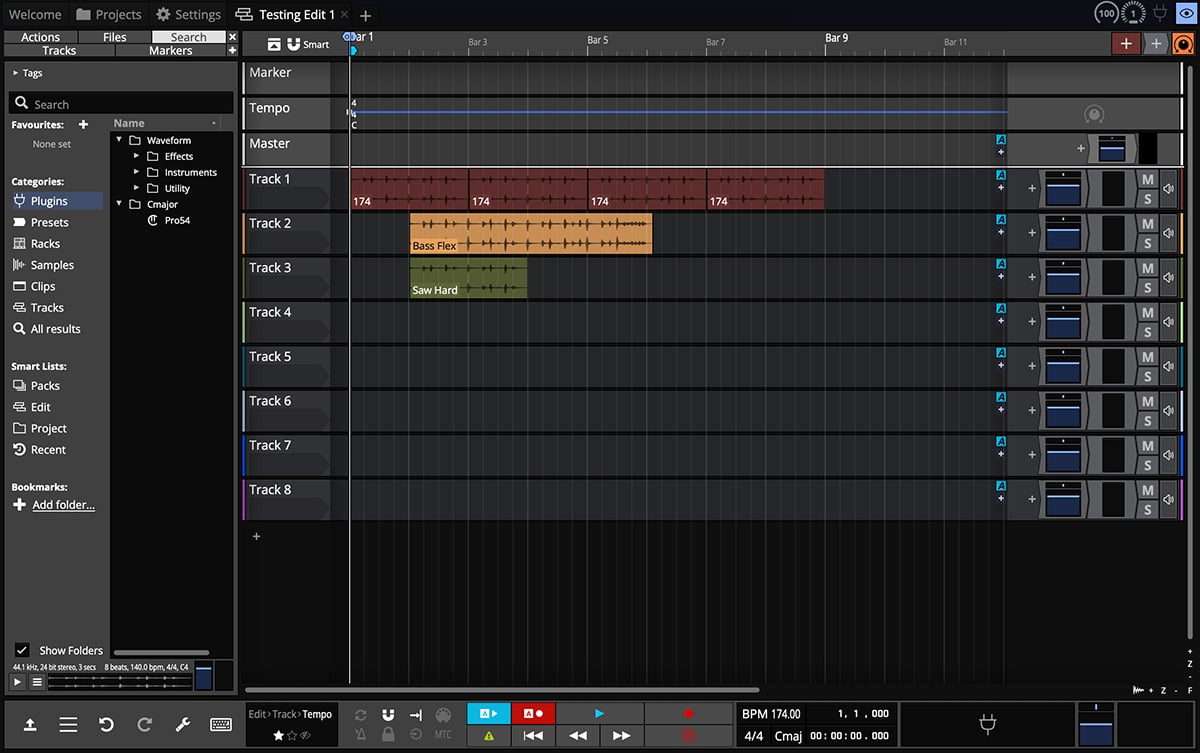
LMMS is rougher around the edges. You notice it straight away, and it can take a bit of patience to get comfortable.
Still, it covers what you need. You can build patterns, layer sounds, and arrange a track without being blocked by missing features.
It is not the smoothest option here, but it works, and sometimes that is enough to get started.
You will need something reliable to hear it properly
Software is only part of it. The second hurdle usually comes from what you are listening on.
You make something that feels right, then play it elsewhere and everything shifts. The bass is too heavy, or it disappears completely. That is usually a monitoring issue.
These are not about hype. They are just consistent. Once you learn how they translate, you stop second-guessing every decision, especially in the low-end.
Where things usually go next
After a few sessions, the DAW stops being the issue.
It becomes drums. Then bass. Then arrangement. Why one drop works and another falls flat.
That is usually the point where people start looking for better sounds, especially drums and bass. A cleaner drum pack. A bass plugin that gives you more control without getting in the way.
There is no rush to get there. You can do a lot with very little at the start, but once you understand what you are listening for, better sounds do make a difference.
And when a tune finally locks in, even briefly, the software you used to get there stops mattering.