The Ethics of AI Sampling in Drum & Bass
As AI begins generating samples and sounds across drum and bass, questions around creativity, ownership, and authenticity are growing louder. Can machine-made music respect the culture’s roots?
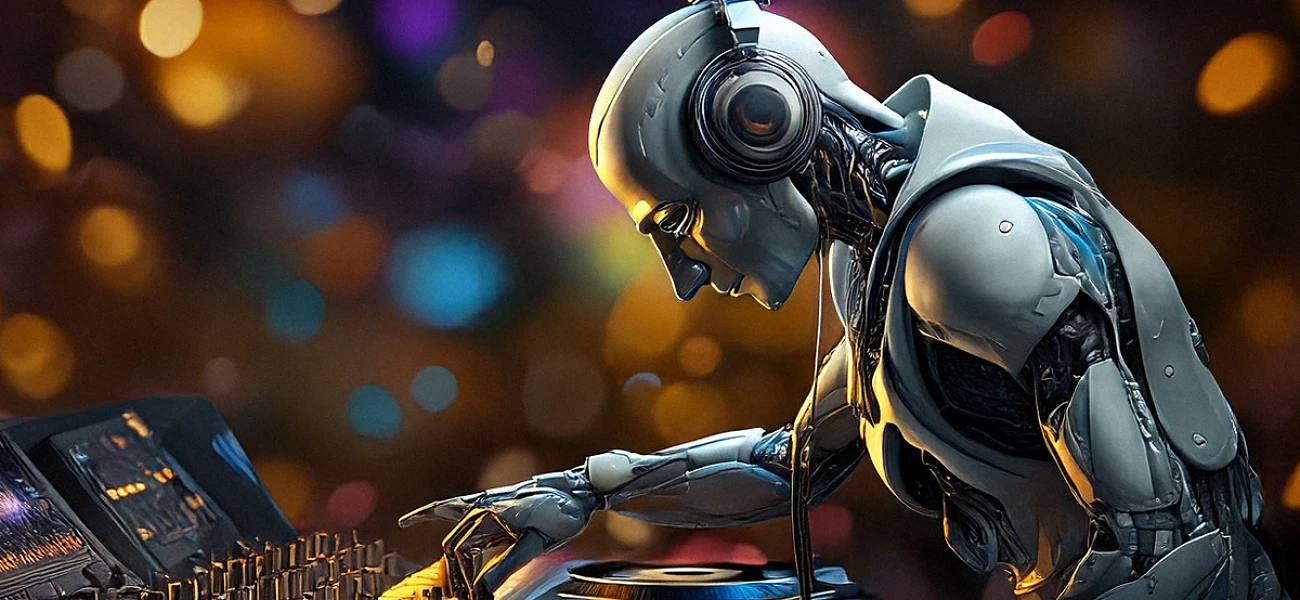
The Ethics of AI Sampling in Drum & Bass is quickly becoming one of the most complex and divisive topics in electronic music. Artificial intelligence has moved from an abstract concept to a tangible creative force. It can now generate entire sample packs, recreate vintage breaks, and even imitate the tone of well-known vocalists. For a scene built on innovation and integrity, this shift raises difficult questions about ownership, originality, and cultural respect.
Sampling has always been central to drum and bass. From the raw breakbeat science of the early nineties to the meticulous layering of modern production, repurposing sound has been both an art form and an expression of identity. Jungle and drum and bass were born from resourcefulness, created by producers who pushed their samplers to the limit. Those early experiments carried intent and reverence for their sources, from the funk drummers and reggae singers to the fragments of film dialogue that became part of a new musical language. AI-generated sampling risks severing that connection to the culture's roots.
In traditional sampling, every decision reflects a producer’s individuality. Choosing which sound to lift, how to chop it, and how to twist it into something new is a creative act. AI systems, by contrast, can generate endless variations using vast datasets of existing music, often without the consent of those whose work is being used. Some commercial tools now produce samples “in the style of” specific genres or artists, learned from hundreds of existing recordings. The efficiency is remarkable, but the ethical implications are equally significant. When a computer learns from human creativity, who should receive the credit?
For some producers, AI represents a welcome addition to the studio. They see it as an assistant that can inspire new ideas, streamline workflows, or spark creativity when energy runs low. In this sense, AI is not replacing musicianship but enhancing it. Others disagree, arguing that the human touch is precisely what defines drum and bass. The imperfections, instincts, and emotional decisions that drive a producer’s process are what give the genre its distinctive energy. When those elements are removed, something vital is lost.
AI’s power lies in imitation. It can recreate texture and rhythm, but it cannot reproduce intent. Drum and bass is built on character, from the dusty swing of a sampled break to the unpredictable pull of a live mixdown. As AI tools flood online forums with algorithmic jungle loops, many listeners are beginning to question whether technical brilliance alone can replace feeling. The concern is not only about quality but also about authenticity. A sound may resemble jungle, yet without the human story behind it, does it still belong to the culture?
These issues are not purely creative. They are moral and cultural too. Much of the material used to train AI models has been collected from public audio without a license or credit. In a genre that traces its roots to black British sound system culture, the unapproved use of those sounds for corporate profit is especially sensitive. The debate goes beyond copyright and towards cultural preservation. Drum and bass has always celebrated the fusion of technology and community, but that balance must be protected.
Some labels and distributors have begun taking a position. Artists are now being asked to declare whether AI tools were involved in the creation of their tracks, and conversations are emerging around transparency, royalties, and disclosure. The law has not yet caught up, so the moral standards of the scene will likely guide the first responses. Drum and bass has always been self-policing in matters of respect and authenticity, and the same spirit could define how AI is handled.
There is still room for optimism. Ethical AI development could be part of the solution if done collaboratively. Developers could work with artists to create transparent, consent-based datasets that reward those whose sounds are used. This would keep creativity open while maintaining fairness and accountability. Some forward-thinking producers are already exploring such partnerships, using AI to extend their craft rather than imitate others.
Most producers, whether consciously or not, already balance technology with humanity. They may use AI to draft a rhythm or suggest a chord progression, but will still shape the result through instinct and taste. Drum and bass has always thrived on this tension between machine precision and human feeling. The challenge now is to ensure that new tools amplify that relationship rather than weaken it.
Every major shift in the scene has been driven by technology. The sampler was once dismissed as unoriginal, yet it defined an era. Digital workstations made production accessible to anyone with a laptop. Streaming changed how fans discover music. AI represents the next frontier, but unlike previous tools, it can create on its own. That difference demands new conversations about ethics, ownership, and intent. The choices made now will shape the cultural and creative landscape for years to come.
Ultimately, the debate over AI in drum and bass is not about fear. It is about responsibility. As algorithms learn from the past, the scene must decide which values to carry forward. Innovation has always been part of drum and bass, and so has integrity. The future will depend on how both are balanced in the age of artificial intelligence.