Hospital Records plot 4,000-cap Hackney Wick day festival
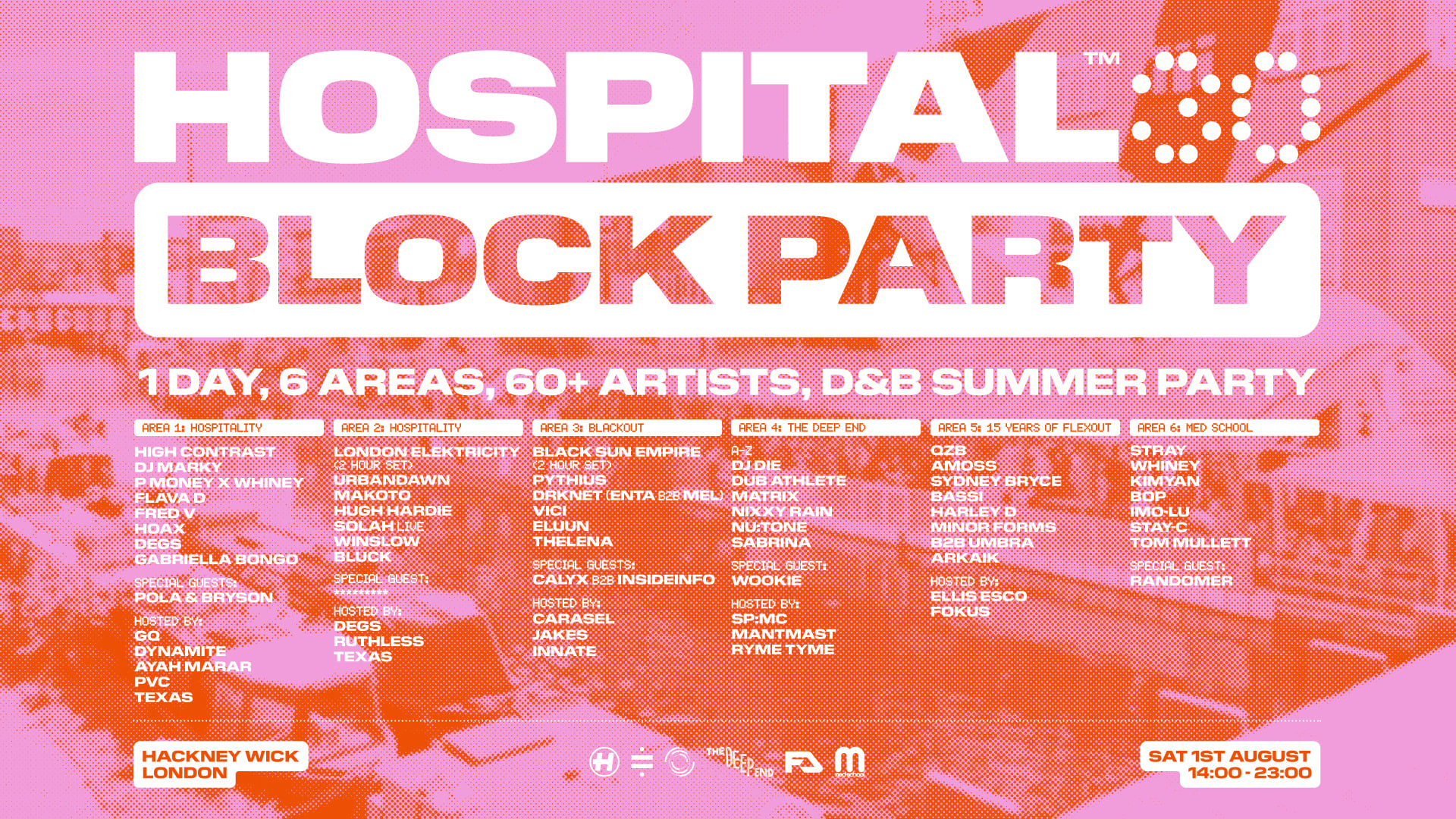
Hospital Records mark 30 years with a 4,000-cap day festival in Hackney Wick, blending indoor and outdoor stages with a wide drum and bass lineup.
Some lineups feel built for a flyer. Others feel built for a place.
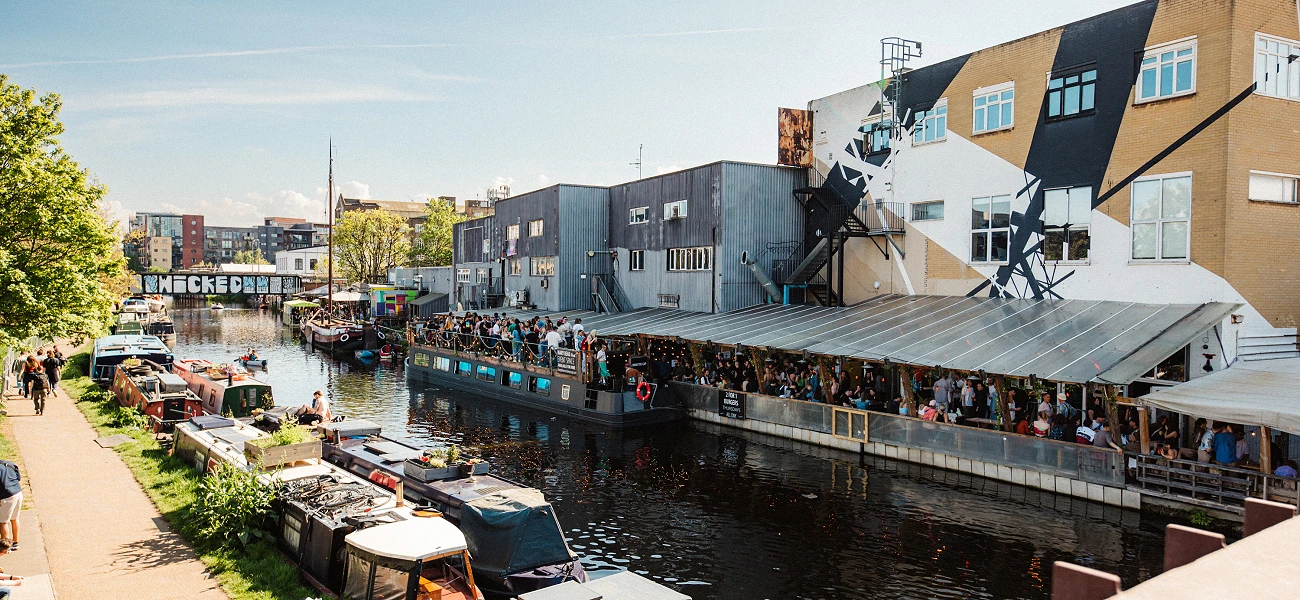
This one leans firmly into the second. A canal, multiple rooms, people drifting between spaces with a drink in hand, bass bleeding from one direction into another. Hackney Wick in summer, basically.
Hospital Records turning 30 was always going to land somewhere in London. The question was how. A single-room anniversary show would have been tidy. Predictable, too. Instead, they have gone wide. Six stages, indoor and open-air, 4,000 capacity, all stitched around No90 and the Hackney Bridge stretch.
On paper, it is a day festival. In practice, probably a long rave with food.
Why Hackney Wick still works
There is a reason drum and bass keeps circling back to this part of East London. It is not just the venues. It is the layout. That slightly messy, semi-industrial sprawl where nothing feels too fixed.
You can run multiple sounds without them stepping on each other too badly. You can step outside without losing the night. Or in this case, the day.
No90 has already done the rounds with Hospitality before, but this expands it. Both sides of the canal in play. Moving between stages becomes part of it, not a chore. It matters. Especially with drum and bass, where switching rooms mid-set can reset your ears.
And August helps. If the weather holds, you get proper daylight raving without it feeling forced.
Thirty years is a long time in this scene
Hospital’s story is well-worn, but still worth sitting with. Founded in 1996, growing out of South London, and somehow managing to stay recognisable while everything around it shifted.
The sound has shifted over time. Early liquid, soulful rollers, that warmth. Then sharper edges, more range, a bit more bite. The core has held though. Clean production, clarity in the mix, tunes DJs can actually use across a full set rather than just a headline moment.
You hear it in the bookings here.
High Contrast, still capable of locking a room without overcomplicating things. DJ Marky, whose sets rarely sit still for long, always shifting energy without losing the thread. London Elektricity, tied into the label’s identity in a way that goes beyond nostalgia.
Then newer or adjacent names. Pola & Bryson, measured and melodic, very deliberate in how their tunes breathe. Flava D, bringing a different swing. Whiney linking with P Money, which could tip from tight MC-led energy into something a bit more unpredictable.
No obvious through-line. Doesn’t need one.
Six stages, but what actually matters
“Six stages” can read like excess on paper. Sometimes it is. Too many rooms, not enough identity, and you end up wandering without committing.
This only works if the rooms are properly thought through.
If each space leans into a clear lane, liquid in one, tougher tech and neuro elsewhere, maybe something more playful in another, then it holds. People find their rhythm. Dip in and out. Stay put when it locks.
Hospital have generally been good at that balance. Their events understand pacing. When to let a room sit in a groove. When to push it.
And with a daytime format, that shifts again. You are not building towards 2am. You are managing energy across sunlight into evening without losing people halfway through.
Sounds obvious. Not always done well.
The £40 question
London pricing has been creeping for a while now. Quietly at first, then not so quietly. You notice it when a standard club night edges towards festival numbers.
This sits at £35 pre-sale, £40 general.
For six stages and a full-day event, that is fair. More than fair, really. Especially with the scale and lineup depth. It feels like a deliberate move to keep the barrier low rather than squeezing every tier out of the ticketing model.
Group tickets, early entry options, but no inflated late-stage pricing. No sudden jump because demand is there. People notice that.
It also changes the crowd slightly. You get a broader mix. Not just the die-hards.
That shift in crowd energy can make or break a day like this.
Event details, tickets and accommodation
More than just a London date
This is not a standalone party. It sits inside a wider year for Hospital.
There has already been the Magazine London show. Then Hospitality On The Beach in Croatia, which runs at a completely different pace. Destination, slower, room to breathe.
Then Bristol later in July, Hospital30 On The Harbour, right on the waterfront.
Each one hits a different angle. International crowd. Regional stronghold. Capital city day party.
This one feels the most local. People coming straight from work, or from home, rather than flying in or building a weekend around it.
That might be the strength.
What it might actually feel like
Hard to say this far out. Lineups shift, weather turns, rooms fill in ways you don't expect.
But you can picture the shape of it. Mid-afternoon, sun still high, a liquid set easing people in. Nothing too heavy, just enough weight to get things moving. People settling into it rather than rushing.
Later, a bit more bite. A tune lands, the room tightens, conversations drop off. You stay a bit longer than planned.
Then movement again. Outside for air, across the canal, into another space running at a different tempo, different kind of pressure. You reset without thinking about it.
By early evening it should feel full, not overcrowded, just that steady hum where each room holds its own pocket of energy. If the transitions land, the whole thing holds. If not, people drift. Maybe it sits somewhere in between.
Either way, 30 years in, Hospital still understand something simple. The music is one part. The space matters just as much.
Hackney Wick in August. Six stages. 4,000 people. See you there.