The Most Interesting Drum and Bass Nights Right Now Aren’t in London
Smaller drum and bass nights outside London are building stronger atmosphere, tighter communities, and clearer identities across the UK scene.
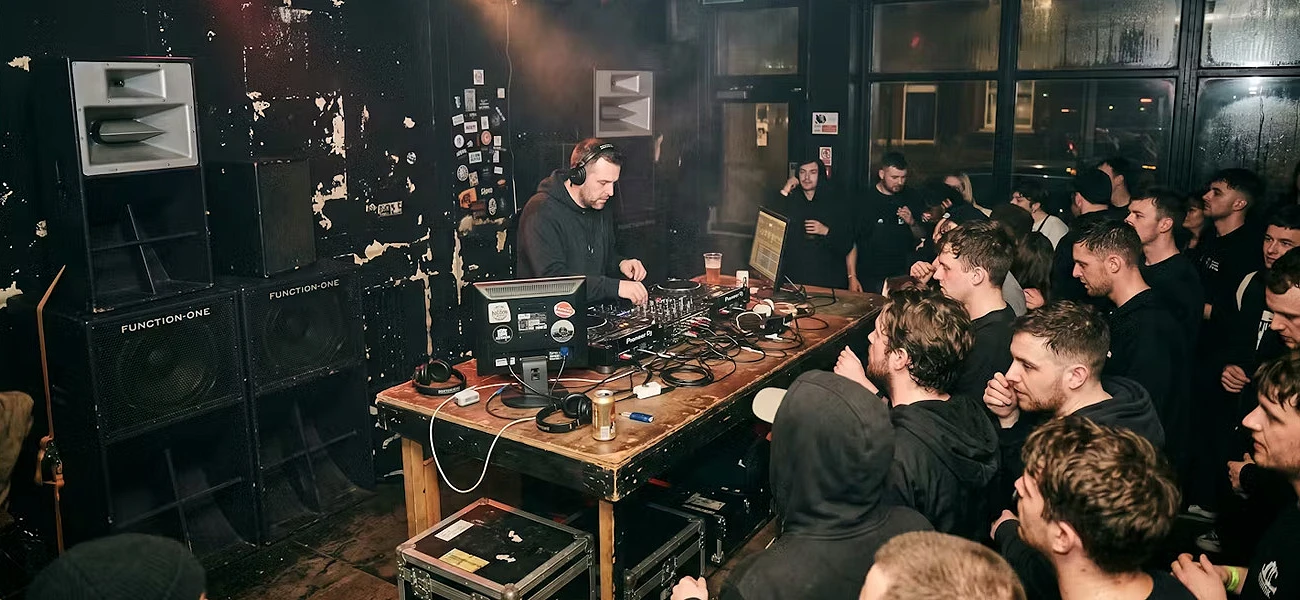
Some of the best drum and bass nights in the country right now happen in rooms small enough to miss if you walked past too quickly.
Not because London has stopped mattering. It has not. The capital still drives huge parts of the culture, from labels and agencies to radio, festivals, and club infrastructure. But outside London, there is a growing number of smaller nights developing with clearer identities and far less pressure to constantly scale upwards.
You can see it simply by looking through current UK event listings. Bristol, Manchester, Leeds, Sheffield, Brighton, Nottingham, Glasgow. The spread is healthy. More importantly, the nights themselves often feel more focused.
That focus changes the atmosphere immediately.
Smaller rooms change the way people behave
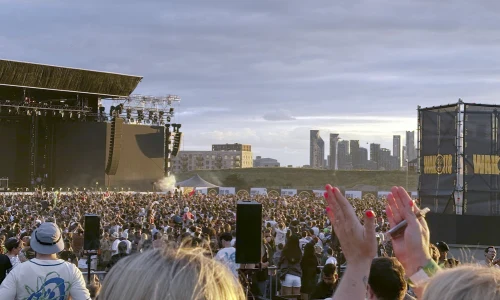
Big events still matter. Massive line-ups, warehouse pressure, headline bookings, all of that remains part of drum and bass culture. But there is a noticeable difference between a room built around twelve DJs and one built around three or four selectors who actually have time to shape the night properly.
In smaller-capacity venues, pacing starts mattering again.
Residents can warm a room slowly instead of sprinting towards peak-time energy before midnight. DJs leave space between big moments. Crowds settle into longer blends and subtler transitions because the environment allows for it.
You feel that especially in deeper and techier corners of the scene. Tunes have more room to breathe. Intros stretch properly. Basslines roll for longer without somebody instantly reaching for the next double-drop.
The room itself changes the music.
A tighter venue with a tuned rig tends to reward groove and pressure differently than a huge warehouse where everything needs to hit immediately to carry across the space. Some tracks simply work better when the crowd is closer to the system and closer to each other.
Promoters are building identities more carefully
There is also less sense of regional nights trying to imitate London exactly.
That feels important.
For a while, many smaller events chased the same oversized flyer model, stacking huge line-ups together regardless of whether the night itself had a distinct atmosphere. Recently, more promoters seem comfortable building something narrower instead.
Maybe it is a techstep-leaning room with residents holding the centre of the night together. Maybe it is a soulful liquid session built around local support acts and longer set times. Maybe it is a mixed jungle and drum and bass booking where the crowd actually arrives early enough to hear the progression properly.
The point is not scale. The point is coherence.
You can feel when a crowd trusts a promoter enough to follow them into slightly different territory. That trust takes time to build, and smaller regional nights often have more room to develop it naturally because the audience returns regularly rather than treating the event as disposable content for a weekend.
Regional scenes still carry their own character
Different cities still produce different energy too, even if line-ups overlap more heavily than they used to.
Bristol crowds tend to reward deeper tension and sound system pressure. Manchester often leans rowdier and faster once the night settles in. Leeds, Sheffield, Nottingham, Brighton, Glasgow, all have slightly different rhythms to the way rooms develop over an evening.
Not dramatically. Not enough to become caricature. But enough that DJs notice it.
That local variation has always been part of drum and bass culture, even during periods where social media flattened everything visually into the same clips, same drops, same reactions.
Physical scenes still shape music differently.
A producer hearing their tunes regularly tested in smaller regional clubs is absorbing different feedback than somebody focused entirely on festivals or online response. You can hear it in arrangement choices sometimes. Longer intros. More patience. More emphasis on low-end movement instead of instant impact.
People seem tired of being overwhelmed
There is probably a wider cultural shift underneath all this as well.
After years of constant visibility, endless content cycles, and increasingly oversized events, smaller nights can feel easier to connect with emotionally. Less transactional. Less performative.
People stay longer. They talk more. They recognise each other across different events. DJs spend time in the room before and after their sets instead of immediately disappearing into the next booking.
None of this means London is fading, or that large events are suddenly irrelevant. Drum and bass still needs those flagship spaces. But some of the scene’s strongest atmosphere right now is developing away from the largest rooms and busiest line-ups.
In venues where the lighting is slightly rough around the edges, the subs sit closer to your chest, and the night is allowed to unfold gradually instead of trying to peak every twenty minutes.
That balance feels healthy.