How Splice Changed Drum & Bass Production for Good
From bedroom setups to pro studios, Splice reshaped how producers find sounds, save money, and stay inspired. Here’s why sample libraries and pay-monthly plugins changed everything.
Sample culture has always been the backbone of drum and bass. What once meant hours of crate-digging or slicing breaks by hand has evolved into something far more fluid. Platforms like Splice Plans have turned the process of discovering sounds into something instant, collaborative, and, if we are honest, pretty addictive.
More access, less gatekeeping
It is not just about convenience. Splice opened up an ecosystem where anyone, from a new producer learning Ableton to a veteran shaping their next club release, can work with the same quality of source material. That shift changed the culture. No more forum scavenging for that elusive break or waiting weeks for the next sample pack drop. It is all there, ready to drag and drop.
With thousands of curated drum hits, bass loops, and textures, the choice can feel overwhelming. But that is the point. Whether you are layering a dusty funk break under clean digital percussion or building atmospheres that sound straight out of Bristol’s underground, Splice keeps the inspiration flowing without killing the vibe.
Pay monthly, play constantly
One of Splice’s biggest innovations was not just the samples, but the payment model. Top-tier synths and mastering tools used to be expensive one-off purchases. Splice flipped that idea by offering rent-to-own access to industry-standard plugins. Tools like Serum by Xfer Records and iZotope’s Ozone and Neutron Advanced became affordable, letting producers pay monthly and own them gradually instead of all at once.
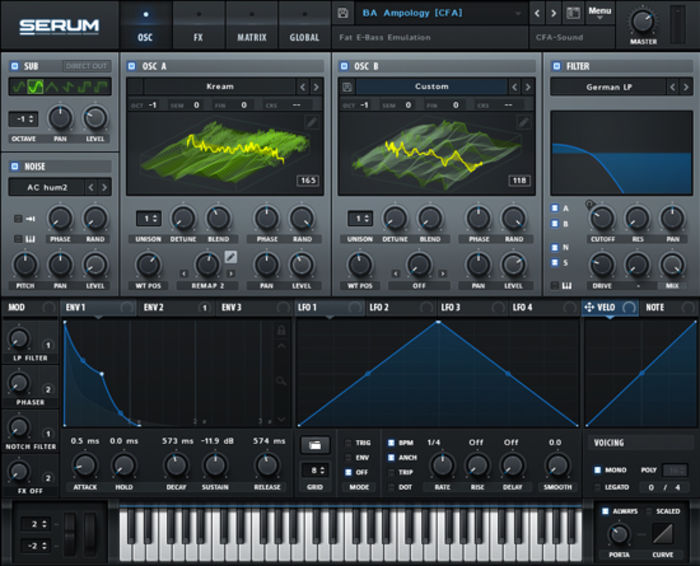
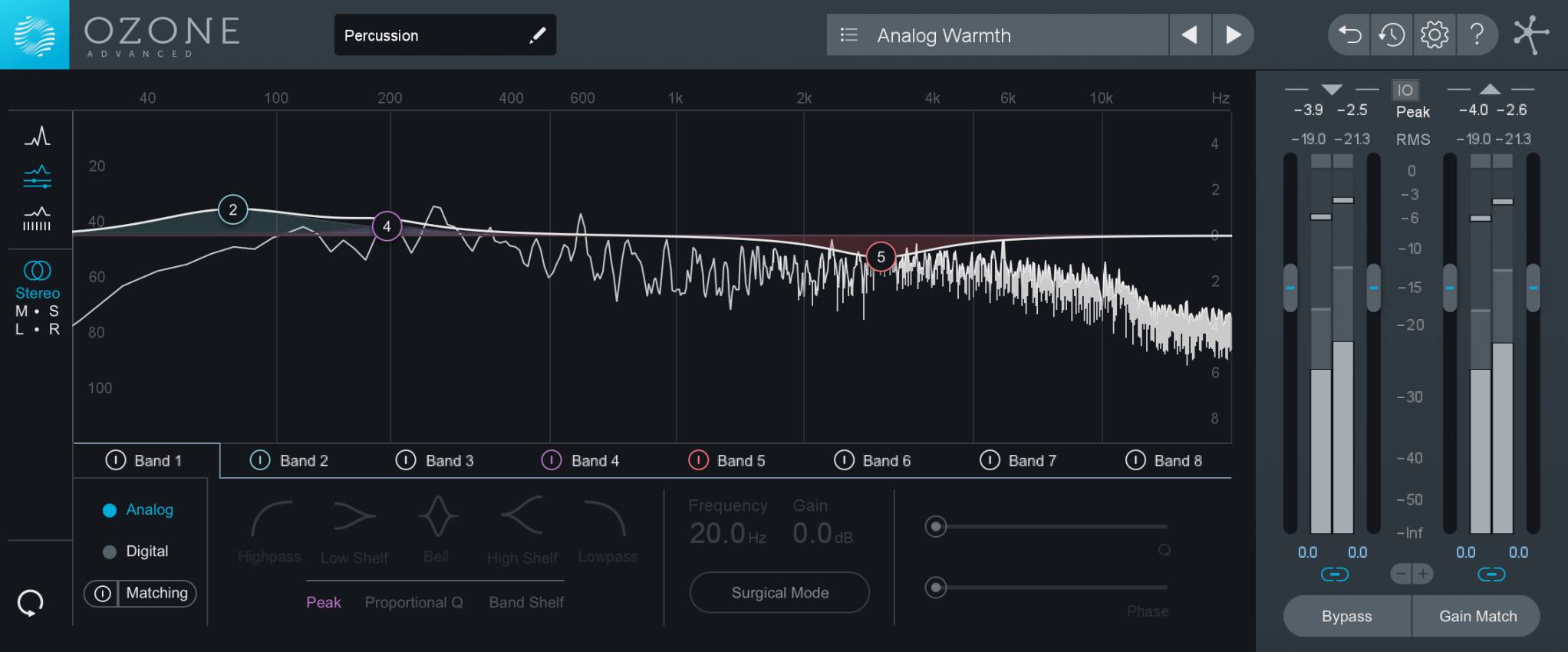
That flexibility changed who can make professional-sounding music. You do not need a huge studio, just a good ear and the right tools. Splice made production more accessible and more democratic, and that is a good thing for creativity.
Creative workflow that actually flows
Splice’s real strength is how quickly it fits into your process. Sounds sync directly with your DAW, preview in key and tempo, and you can build whole sessions without leaving your project window. The Create tool takes this further by letting you experiment with loops in real time before committing. It feels natural, like jamming rather than scrolling menus.
For new users, Splice also offers a full setup guide that covers everything from installation to integration with Splice Bridge and instruments such as Beatmaker and Astra. This is it - everything you ever wanted to know about getting started with Splice - from installation and logging in to adding samples and presets to working with Splice Bridge and using instruments like Beatmaker and Astra.
The sound of now, shared
Perhaps the most exciting part is how shared this world has become. A loop made in one city might appear in another producer’s track across the world within hours, re-pitched, chopped, transformed. Drum and bass has always thrived on evolution, and Splice’s library feeds that forward momentum beautifully.
Some still prefer recording their own material, and fair enough. But access matters. When the barriers to creation fall, more people participate. That means more voices and more originality, which keeps the genre alive.
More than samples
Splice is not just a database of sounds. It has become part of the workflow itself. It is a catalogue, a sketchbook, and a lifeline for creative ideas at odd hours. Need a synth preset at 2 am? It is there. Need a vocal layer for your halftime track? Easy. The subscription model means you can stay creative even when your budget is tight.
Whether you are writing your first track or finishing your next club cut, Splice quietly does the heavy lifting. It does not shout about it, but you would miss it the moment it was gone. In 2026, it feels less like an optional extra and more like the foundation of modern drum and bass production.