Before the Peak: Why the Warm-Up DJ Still Shapes the Night
Warm-up sets rarely get credit, but they shape the room, the crowd, and the night itself. Here’s why the role still matters in modern drum and bass.
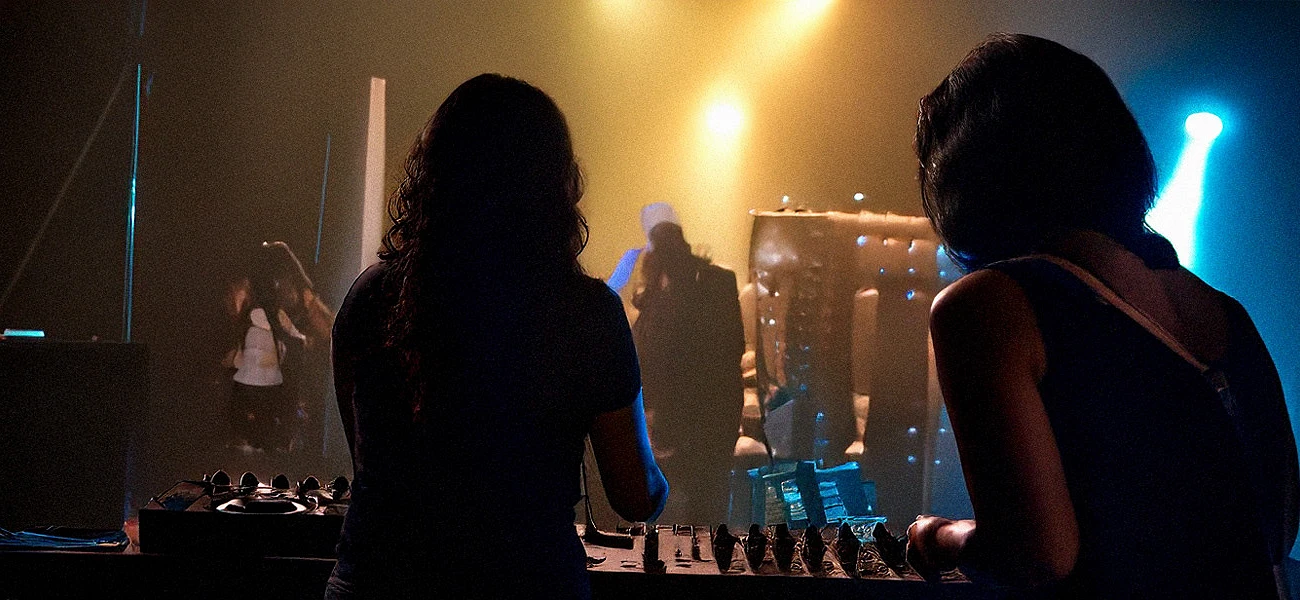
The warm-up DJ walks into the booth knowing two things. The room is not ready yet. And if they do their job properly, nobody will notice.
That has always been the paradox. In drum and bass especially, where energy curves are steep and expectations can be unforgiving, the warm-up slot is one of the most misunderstood roles in the room. It is also one of the most important. Maybe more now than it has been in years.
You can feel when a night has had a bad warm-up. People arrive tense. Conversations stay loud. The floor feels disconnected, like it is waiting to be told what to do. By the time the headliner comes on, they are fighting the room instead of riding it.
When the warm-up is right, none of that happens. Things just… flow.
Not empty, just unfinished
The mistake people make is treating early hours like a placeholder. Something to fill time. That thinking leaks into track selection, into mixing, into how much attention the DJ is paying to the room. You hear it immediately. Overcooked intros. Tunes that want a reaction that cannot exist yet.
A good warm-up DJ understands that the room is not empty. It is unfinished.
That changes everything. You are not trying to lift the crowd, you are shaping it. Setting expectations without spelling them out. Introducing tempo, texture, weight, without ever asking for payoff. The best early sets feel patient. Almost generous.
It takes confidence to play like that. Especially now, when social media rewards moments, not foundations.
The art of restraint
Restraint is a boring word until you see it done well.
In a warm-up context, restraint does not mean low energy. It means selective energy. Groove over impact. Progression over surprise. Letting records breathe, even if you know there is something bigger sitting two crates back.
There is also restraint in mixing. Longer blends. Fewer tricks. Space between transitions. The room needs time to settle into a tempo, to agree on a rhythm collectively. Once that agreement exists, you can gently start to push it.
This is where experienced warm-up DJs shine. They read small changes. A bar filling up. A cluster forming near the speakers. The first real head-nods of the night. Those signals matter more than any internal timetable.
Trusting the system, trusting the crowd
Modern sound systems have changed the warm-up game. Early hours used to mean thin sound, half-powered rigs, and a room that did not really wake up until later. That is no longer the case in many venues.
Now, even at low volume, weight carries. Subtle basslines feel present. Detail travels. That allows warm-up DJs to play music that would have been wasted ten years ago. Rollers, steppers, stripped-back tracks that rely on pressure rather than spectacle.
It also requires trust. Trust that the crowd will stay with you. Trust that you do not need to prove anything in the first thirty minutes. That trust is not always rewarded immediately, but when it is, the whole night benefits.
Warm-up as education, quietly
There is an educational element to warm-up sets that rarely gets talked about. Not in a preachy sense. More like gentle suggestion.
You introduce tempos, textures, moods that will reappear later, but in different forms. By the time the peak arrives, the crowd already understands the language. They know how to move to it. They have been learning without realising.
This is especially important on mixed line-ups, where styles can clash if dropped too abruptly. A thoughtful warm-up can smooth those edges. It creates continuity where there might otherwise be confusion.
And when it works, the headliner gets more freedom. They can go deeper, darker, or stranger, because the groundwork is already there.
The ego problem
Warm-up slots suffer most when ego enters the picture.
The pressure to be remembered. To make an impression. To clip a moment for later. All understandable impulses, but usually the wrong ones in that context. The irony is that the DJs who end up being remembered are often the ones who resisted those urges.
Promoters notice. Headliners notice too, even if they do not always say it out loud. A well-shaped room is a gift. It changes how confidently someone can play.
There is a quiet respect that circulates among DJs who understand this. A nod. A “nice set earlier”. It matters.
Why it feels relevant again
Longer sets are creeping back. Nights are being programmed with more intention. Audiences are less frantic, more willing to settle into a groove. All of that makes the warm-up DJ newly relevant.
It is no longer just about filling time before the action starts. The action starts earlier now. It just starts differently.
That shift rewards patience, musicality, and awareness. Skills that do not always translate into quick hype, but build nights people actually remember.
The best warm-up DJs do not steal the show. They make the show possible. And in a scene that sometimes forgets the value of foundations, that role feels quietly vital again.