Why Drum and Bass Still Thrives in the Underground
Exploring why drum and bass continues to evolve underground, from grassroots scenes to independent labels shaping the genre’s future.
There’s always been this quiet assumption that drum and bass lives in cycles. Peaks, dips, resurgence, repeat. You hear it every few years. “It’s back again.” As if it ever really left.
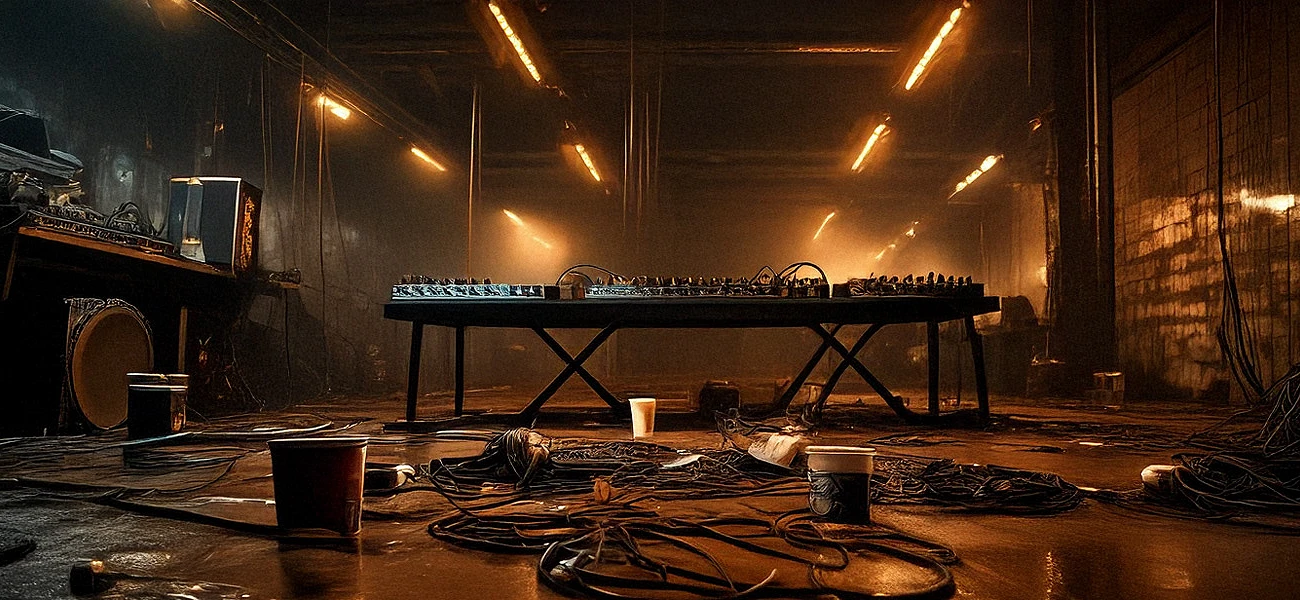
Spend enough time in the smaller rooms though, the midweek events, the slightly-too-loud basements with questionable ventilation, and you realise something else entirely. It never flattened out. It just shifted its weight. Moved sideways a bit. Got more selective, maybe.
The mainstream moments are easy to point at. Festival slots, chart flirtations, the occasional crossover hit. But they’re only ever one layer. Underneath that, there’s always been a network quietly holding things together. Labels, DJs, promoters, the people who are not waiting for permission.
And honestly, that’s where things feel most alive right now.
Small rooms, big intent
You notice it first in the way people play. Sets feel sharper. Less filler. DJs digging a bit deeper, taking more risks, sometimes missing the mark slightly but that’s part of it. It feels human again. Not over-rehearsed.
There’s a certain kind of energy you only get in those spaces. No phones up, or at least fewer of them. People actually listening. Proper reactions when something unexpected lands. Reloads that feel earned rather than automatic.
Maybe it’s a reaction to how polished things got for a while. Or maybe it’s just the natural rhythm of the culture correcting itself. Hard to say. But you can feel the difference.
Even established names seem to tap into that when they step away from the bigger stages. You see it with artists tied to labels like Metalheadz, where the focus has always leaned towards depth and identity over immediacy. There’s patience in that approach. Still is.
The label shift
Labels have changed. Not disappeared, just… loosened.
There was a time when getting onto a certain imprint felt like the only way forward. Gatekeepers, in a sense. Now, it’s more fluid. Artists building their own platforms, releasing on their own terms, shaping their own timelines. Sometimes messy, sometimes brilliant.
You see that independence clearly in newer setups. Smaller labels that feel personal, almost hand-built. Not chasing volume, just consistency. A certain sound, a certain standard, repeated carefully rather than rushed.
It does mean more music. A lot more. Sorting through it takes effort. But within that, there are pockets of real identity. You stumble across something and it sticks. Not because it’s everywhere, but because it feels specific.
The long memory of the scene
One thing drum and bass has always had, maybe more than most genres, is memory. Not nostalgia exactly, something more active than that.
References carry through. You hear a bassline and it echoes something from years back, not copied, just… informed. The influence is there, but it’s been bent into a new shape.
Artists like Goldie helped set that tone early on, this idea that the music could evolve without losing its core. That it could stretch, absorb, mutate, and still feel recognisable. That thread is still running through everything now, even in the most modern productions.
It’s why the underground feels so connected, even when it’s fragmented on the surface. Different styles, different approaches, but a shared language underneath it all.
Technology, pressure, and restraint
There’s more access than ever. Tools, tutorials, entire workflows broken down online. You can get technically good very quickly now. That part’s almost expected.
But that’s where it gets interesting. Because once everyone can do the technical side, what actually stands out?
Restraint, maybe. Decision making. Knowing what to leave out as much as what to put in. You hear it in certain tracks, where things breathe a bit more. Space. Dynamics. Not everything fighting for attention at once.
It’s subtle. Easy to miss if you’re not listening for it. But once you notice it, it changes how you hear everything else.
And it ties back into that underground feel again. Less pressure to overdeliver. More room to experiment, to let ideas sit slightly unresolved. Which, strangely, often makes them more compelling.
Where it actually lives
Drum and bass does not really live in one place anymore. Not geographically, not stylistically. It is scattered, in a good way.
You’ve got scenes building in places that were barely on the radar a decade ago. Producers coming through with completely different influences, pulling from outside the usual reference points. It keeps things unpredictable.
And maybe that’s the key thing. It doesn’t feel locked in.
Even when certain sounds trend for a while, there’s always something else forming just off to the side. Another pocket, another approach, another group of people doing it slightly differently.
So when people ask if drum and bass is having another moment, it feels like the wrong question. It’s always having a moment somewhere. You just have to know where to look.
And right now, more often than not, that place is still underground.