Club Culture After Dark: How the 3AM Economy Is Reshaping UK Drum and Bass
Exploring how extended nightlife hours, community venues and post-pandemic recovery are transforming the UK’s drum and bass scene from London to Bristol and beyond.
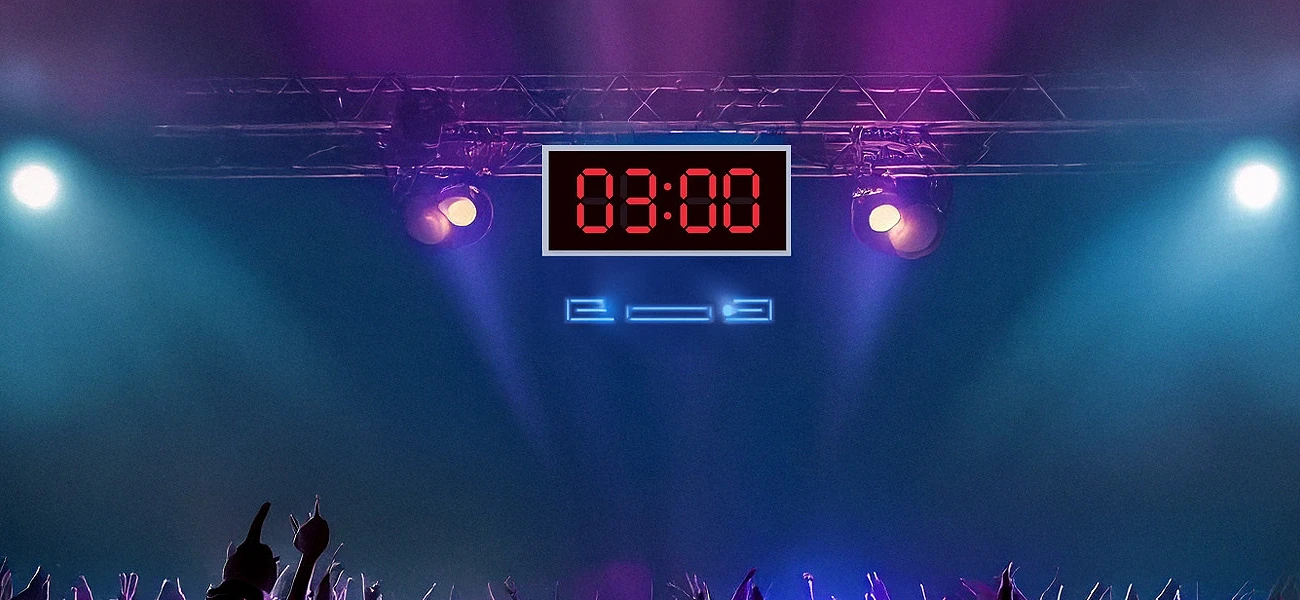
Across the UK, drum and bass has always flourished after dark. From Bristol’s industrial warehouses to London’s hidden basement clubs, the genre’s heartbeat has long been tied to the rhythm of the night. In 2025, that connection is evolving once again. Extended licensing hours, new cultural policies and community-driven initiatives have combined to form what many are calling the “3AM economy”. This new chapter in British nightlife is transforming how drum and bass sounds, operates and connects with its audience.
From Survival to Revival
Just a few years ago, the future of club culture looked uncertain. Rising rents, restrictive licensing and the fallout from pandemic closures led to the loss of several landmark venues. Out of that void, however, came innovation. Promoters, councils and cultural organisations began working together to breathe life back into local nightlife. For drum and bass, a culture built on resilience and independence, this shift has created fresh space for creativity and growth.
In Bristol, Motion has become a flagship for this revival. The venue has adopted a versatile approach, combining early live performances with late-night DJ sessions that carry through until sunrise. Its success has influenced other cities, including Manchester and Nottingham, where organisers are experimenting with hybrid events that blend visual art, bass music and local culture. In London, smaller venues are reopening with the support of “night-time economy” initiatives designed to protect grassroots spaces and rebuild community engagement.
Late Hours, New Energy
The 3AM economy is not simply about keeping venues open later. It represents a wider rethinking of how music and culture function after dark. The appointment of night-time mayors across the UK has marked a shift in how policymakers view the sector, recognising that nightlife contributes not only to social well-being but also to local economies. What used to be dismissed as counterculture is now understood as a vital part of urban life.
For drum and bass producers, DJs and promoters, the changes have been transformative. Extended hours allow for more dynamic programming and greater diversity of sound. Emerging artists now have more opportunities to perform, test new material and build local audiences. Labels such as Hospital Records and Overview Music are using this cultural momentum to expand their live presence, hosting events that merge heritage with experimentation. These gatherings have helped strengthen ties between artists, promoters and fans, creating a sense of continuity that had been missing from the post-lockdown landscape.
Mid-sized venues have also gained renewed importance. They serve as a bridge between intimate local nights and the large-scale festivals that dominate the summer calendar. This balance ensures that the music remains accessible to both long-time fans and newcomers discovering drum and bass for the first time.
Grassroots Gains and Growing Pains
This cultural resurgence has not come without its difficulties. Running costs continue to rise, and extended hours place extra pressure on staff and management. Many venues operate on tight budgets, and sustainability remains a constant concern. Noise complaints and redevelopment pressures threaten long-standing institutions, particularly in gentrified areas. While some councils have embraced 24-hour culture, others remain cautious, leaving the benefits of the 3AM economy unevenly distributed.
Despite these challenges, optimism is returning. Promoters behind events such as Worried About Henry, Distant Planet and Run in Bristol report that audiences have become more loyal and engaged. Heritage nights, including Renegade Hardware reunions, have drawn both veterans and younger ravers eager to experience authentic underground energy. The shared desire for community, sound and space continues to unite generations of drum and bass fans.
A New Kind of Nightlife
Perhaps the most significant outcome of the 3AM economy has been the rise of a more inclusive and self-aware club culture. Safer space initiatives, gender-balanced line-ups and affordable ticketing have made dancefloors more accessible to wider audiences. Collectives championing representation for women, LGBTQ+ ravers and neurodiverse attendees are shaping a fairer and more welcoming nightlife environment. For a genre born from diversity and collaboration, this renewed focus feels entirely in keeping with drum and bass tradition.
What has emerged is a nightlife ecosystem that values sustainability, community and artistic freedom as much as sound system pressure. It respects its history while looking forward, encouraging connection in a world that too often feels fragmented. The clubs and labels driving this change are proving that underground culture can adapt without losing its soul.
After Dark, Forward Motion
As 2025 draws to a close, the UK’s 3AM economy stands as a reflection of drum and bass itself: inventive, communal and constantly evolving. While challenges remain, this new era confirms that underground music does not fade when tested. It grows stronger. In spaces from Motion to Corsica Studios, and in cities from Bristol to London, the music endures, carrying through the night and into the dawn. The beat never stops; it simply finds new ways to move us.