How Rave Culture Shaped Drum & Bass
From illegal warehouse raves to dominating global festival stages, Drum & Bass has evolved alongside rave culture. Discover how the raw energy of early raves shaped the sound, ethos, and future of DnB.
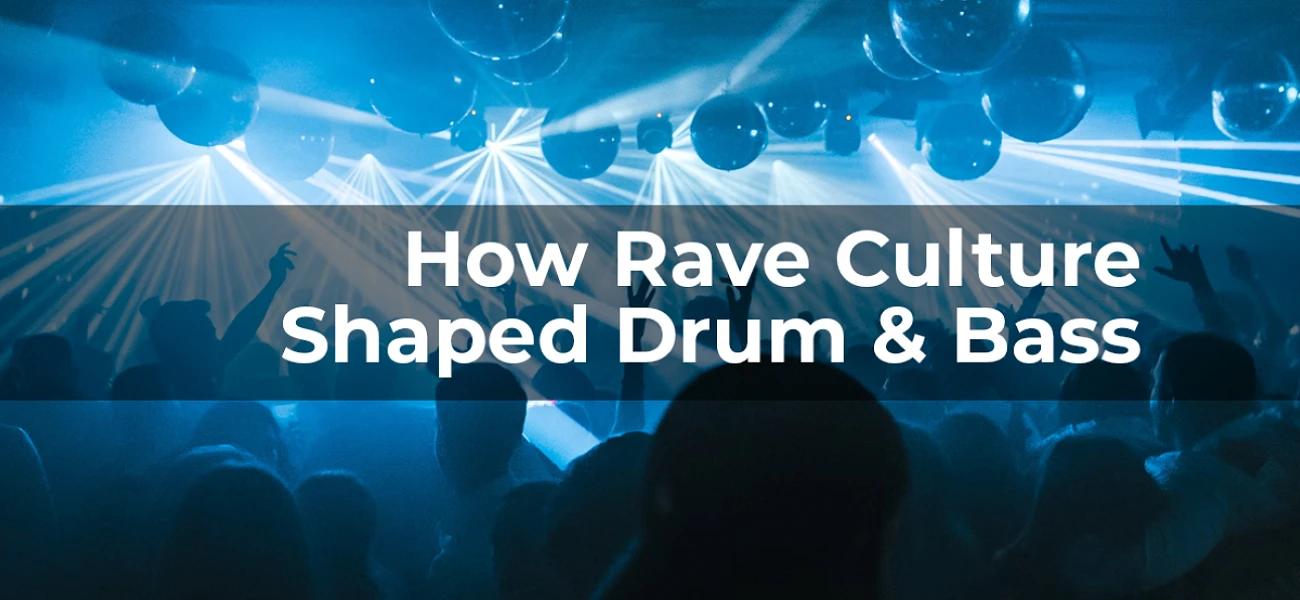
Drum & Bass has always been intertwined with the rave scene. From its roots in the illegal warehouse parties of the late ‘80s to dominating some of the world's biggest festivals today, DnB has evolved alongside the culture that birthed it. Rave culture didn’t just provide a platform for the genre to grow—it actively shaped its sound, energy, and community. This article explores how the raw, rebellious energy of early raves fuelled the rise of Drum & Bass and how, decades later, it continues to thrive on festival main stages and underground events alike.
The Birth of Rave Culture and Its Influence on Early DnB
Acid House and the UK Rave Explosion
Before Drum & Bass, there was acid house—a movement that took Britain by storm in the late ‘80s. Influenced by Chicago house and Detroit techno, acid house’s hypnotic beats and repetitive basslines became the soundtrack to illegal warehouse raves across the UK. Events like Shoom, Sunrise, and Energy drew thousands, with ravers dancing until sunrise in disused buildings, fields, and aircraft hangars.
These early raves were not just parties; they were cultural revolutions. They defied mainstream club restrictions, embraced all-night hedonism, and created a communal atmosphere fuelled by the rise of MDMA. The fast, breakbeat-driven sounds emerging from this scene set the stage for what would later become jungle and, eventually, Drum & Bass.
The Hardcore and Jungle Revolution
As the rave scene expanded, its music fractured into new, distinct styles. Hardcore emerged in the early ‘90s, increasing BPMs and introducing chopped-up breakbeats that broke away from traditional four-to-the-floor rhythms. Simultaneously, reggae and dancehall influences seeped into the mix, courtesy of London’s thriving sound system culture.
This fusion birthed jungle—a high-energy, bass-heavy genre that perfectly matched the manic euphoria of raves. DJs like LTJ Bukem, Fabio, and Grooverider pushed the sound forward, championing jungle at legendary venues like Rage at Heaven in London. Meanwhile, illegal outdoor raves in places like Castlemorton Common (1992) became defining moments for the scene, bringing thousands together under the banner of breakbeat-driven mayhem.
The Evolution: Raves to Clubs to Festivals
The Crackdown on Illegal Raves
The UK government responded to the explosive rise of raves with the Criminal Justice and Public Order Act 1994. This law specifically targeted illegal events featuring "repetitive beats," effectively shutting down many of the free parties that had given birth to jungle and hardcore.
With authorities cracking down, the scene adapted. Many rave promoters moved their events into legal venues, giving birth to the superclub era. Clubs like The End, Fabric, and Ministry of Sound became strongholds for jungle and the emerging Drum & Bass sound. These venues allowed the music to evolve, with better sound systems, lighting rigs, and a more refined experience—but the raw energy of the illegal rave era still pulsed through every bassline.
The Rise of DnB-Specific Club Nights
With jungle transitioning into Drum & Bass by the mid-'90s, dedicated club nights exploded. Events like Movement, Metalheadz at Blue Note, and One Nation became the go-to spots for DnB heads. These nights weren’t just about raving—they were about pushing the genre forward.
Producers and DJs experimented with darker, tech-infused sounds (techstep), atmospheric liquid rollers, and increasingly complex breakbeat programming. With clubs providing a stable base, the genre flourished, spreading across Europe and eventually making waves in the US and Australia.
Drum & Bass at Modern Festivals: From Niche to Main Stage
The Drum & Bass Takeover
While DnB has always thrived in clubs and underground events, the festival scene has played a massive role in taking the genre to global audiences. Events like Glastonbury, Boomtown, and Outlook Festival have provided massive platforms for the sound, often dedicating entire stages to DnB.
Boomtown, in particular, has become a mecca for the genre, with stage takeovers from Hospitality, Critical Music, and 1985 Music showcasing the full spectrum of DnB. Meanwhile, events like Let It Roll in the Czech Republic have become the world’s largest dedicated Drum & Bass festival, proving that the genre has more than enough draw to headline its own large-scale events.
The Evolution of the Festival Rave Experience
The experience of raving at a festival is vastly different from the warehouse parties that birthed the genre. Today’s raves feature cutting-edge stage design, immersive visuals, and pyrotechnics that elevate the experience to new heights. But the core spirit remains the same—high-energy beats, tight-knit communities, and an ethos of pure escapism.
Artists like Andy C, Noisia, and Chase & Status have taken Drum & Bass from underground parties to festival main stages, proving its universal appeal. At the same time, underground crews continue to keep the original rave spirit alive through free parties and renegade sound systems.
The Eternal Connection Between Rave Culture and DnB
Rave culture didn’t just birth Drum & Bass—it continues to be its lifeblood. From the illegal parties of the ‘90s to the world’s biggest festivals, DnB has evolved while keeping the raw energy and DIY ethos of rave culture intact. Whether in a packed warehouse, a sweaty club, or under the stars at a massive festival, one thing is certain: the spirit of the rave is alive and well in Drum & Bass.