Underground Isn’t Small Anymore: When Niche Sounds Fill Big Rooms
From dark rollers to experimental steppers, underground drum and bass is reaching mid-sized venues and festival stages. Here’s how and why it started working.
There was a time when you could spot an underground drum and bass night from the street. Low light. Smaller room. Flyers that felt like they were whispering rather than shouting. You went knowing you might hear something brilliant, but you probably would not hear it again for months. And that was the deal.
That line has blurred. Quietly. Almost without anyone formally agreeing to it.
Now you hear those same kinds of records, stripped-back, tense, slightly unfriendly if you are not paying attention, landing in rooms that used to be reserved for safer selections. Mid-sized venues. Early festival slots. Even headline-adjacent spaces. Not basements anymore. Not quite main stage either. Somewhere in between. And it is working.
The middle ground nobody planned
This is not about underground sounds suddenly becoming popular. That is too simple. What has really changed is the space around them.
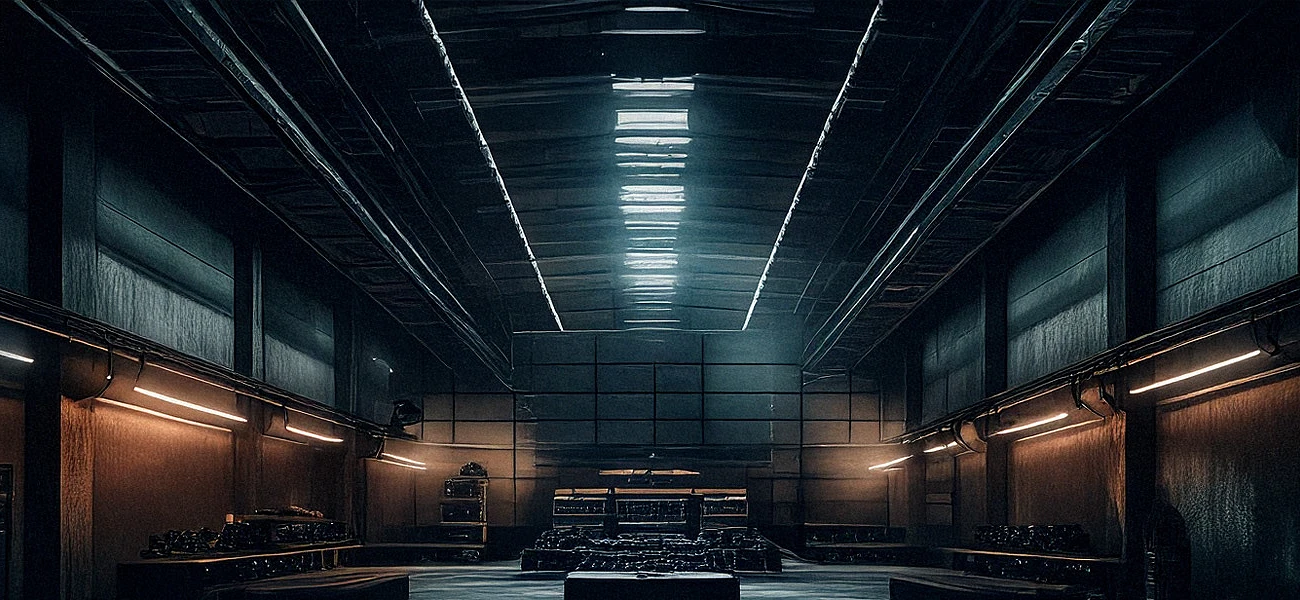
For years, drum and bass lived in extremes. Either huge, hands-in-the-air moments, or tightly packed rooms where subtlety mattered more than scale. What we are seeing now is the growth of a middle ground. Venues with proper systems, attentive crowds, and enough time in a night to let pressure build rather than explode.
It helps that audiences have changed. People listen differently now. Longer attention spans in some ways, shorter in others. Less tolerance for constant drops. More appetite for groove, for tension that simmers. Maybe that came from longer DJ sets returning. Maybe from listening culture shifting away from singles. Hard to say. Probably all of it.
Either way, darker and more experimental records are no longer being treated as risky programming. They are becoming anchors.
When subtlety scales up
There is a myth that underground drum and bass only works in small rooms. That it needs intimacy to survive. That if you turn the system up too loud, it loses its nuance.
That myth does not survive contact with a good sound system.
What actually happens in a larger room is interesting. The details do not disappear, they spread. Basslines feel slower. Space feels heavier. A half-bar pause lands harder because the room breathes with it. Instead of chaos, you get focus. People lean in rather than jump around.
This is especially true for records built around groove rather than impact. Steppers, rollers, things that move sideways rather than forwards. In a big room, they stop being functional tools and start feeling like atmosphere. That shift is crucial.
It is also why some DJs who thrive in these environments barely change their selections. They just let the room do the work.
Programming, not compromise
The smartest promoters have clocked this. Underground sounds are no longer treated as niche bookings that need padding around them. They are being programmed intentionally, with space before and after. Less frantic line-ups. Fewer clashing energies.
This is not compromise. It is confidence.
Rather than trying to soften darker sets with accessible openers or explosive closers, nights are being built around flow. Warm-ups that actually warm the room. Peaks that feel earned. Endings that do not immediately empty the floor.
You can feel when a night has been designed rather than assembled. People stay longer. They listen more. Even casual ravers seem to get it. Maybe because nothing is demanding their attention too aggressively. The music trusts them. That trust is new.
The role of the dancer has changed
There is less hands-in-the-air behaviour at these nights. Fewer phones. More head-nods. More closed eyes. That might sound like nostalgia talking, but it feels different to the old heads-down stereotype.
This is not about withdrawal. It is about absorption.
People are not disengaging. They are settling into the sound. Letting it wash rather than spike. Dancing slower, sometimes barely moving at all, but staying locked in. In bigger rooms, that collective stillness can feel intense. Almost ceremonial. A strange word, maybe, but accurate.
It also makes these sets surprisingly accessible. You do not need to know the track. You just need to feel the pressure. The rest follows.
Festivals, but not how you think
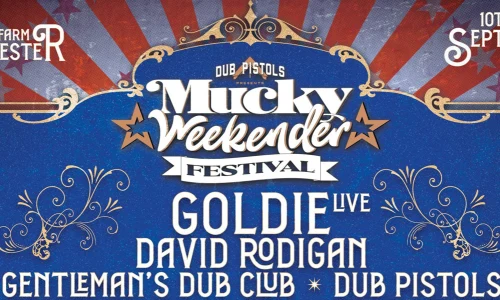
This shift has crept into festivals too, though not in obvious ways. Underground drum and bass is not suddenly headlining. It is being placed carefully. Late afternoon slots. Second rooms. Times when curiosity is higher than expectation.
Those moments matter. People wander in, stay longer than planned, then leave talking about it. Not because something dramatic happened, but because the room felt different. Calmer. Heavier. More focused.
It is a slow conversion process. No fireworks. No mass movement. Just repeated exposure to sounds that trust patience.
And once people are used to that feeling, it sticks.
What this does not mean
This does not mean underground drum and bass is becoming mainstream. It is not. It is also not being diluted, simplified, or softened for bigger rooms. If anything, the opposite is happening.
Producers are leaning further into restraint. DJs are letting records run longer. Promoters are resisting the urge to over-stack line-ups. All of that suggests a scene growing more comfortable with itself, not chasing validation.
There will always be spaces where this music works best. Small rooms will always matter. But the idea that scale automatically ruins subtlety feels outdated now. Maybe it always was.
The underground is not small anymore. It is just less interested in proving anything. And that might be why it finally fits.