The End of the Double-Drop Arms Race
More drum and bass DJs are stepping back from constant double drops and rapid-fire mixing, rediscovering tension, pacing, and space on real sound systems.
You can usually tell within ten minutes what kind of night a DJ wants.
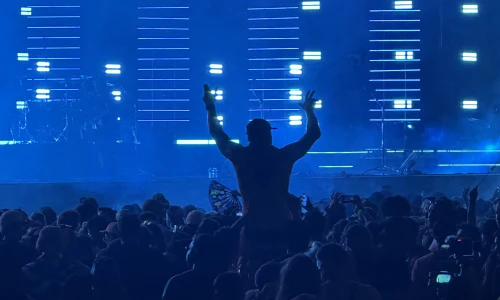
Some sets barely let a tune settle before another one arrives over the top of it. Constant doubles, quick resets, abrupt switches, fake drops every few minutes. The room reacts because it is meant to react. Hands up, quick wheel, phones in the air, then straight back into the cycle again.
There was a point where that approach started feeling less like tension control and more like obligation.
Drum and bass has always had DJs who mix aggressively. That part is not new. The difference now is how much modern DJ culture gets filtered through clips instead of full dancefloors. A double drop filmed from the front barrier travels further online than a careful blend ever will. Nobody uploads the moment a groove quietly locks for three minutes straight and changes the shape of the room.
But those moments still matter inside clubs.
Possibly more than ever.
Too Much Information in the Mix
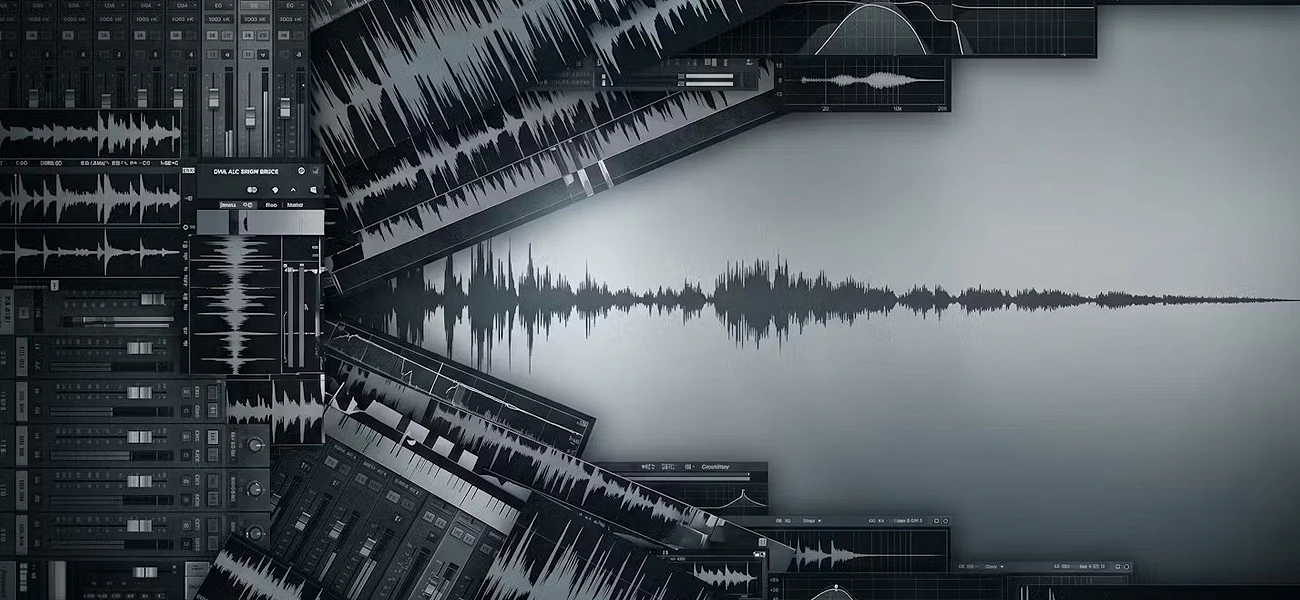
A lot of modern drum and bass is already physically dense before another record gets layered into it. Subs sit wider. Drums arrive cleaner. Midrange carries more movement. Even stripped-back rollers often contain far more detail than similar records did fifteen years ago.
On bigger rigs, overcrowding that space has consequences.
You hear it properly in rooms with enough weight behind the system. Subs stop separating cleanly. Cymbals smear together. The groove flattens out. Tunes lose the thing that made them dangerous in the first place.
Some DJs are adjusting accordingly. Longer transitions. Cleaner phrasing. More confidence in letting records run. Not because technical mixing suddenly disappeared, but because forcing every blend into a “moment” eventually exhausts the room.
There is a certain type of modern set where every transition arrives at maximum intensity, but nothing actually grows. The energy stays pinned at one level all night. No release. No shift in pressure. Just permanent payoff.
Letting Records Breathe Again
Some of the best rollers around at the moment barely need interference once they are moving properly.
You hear DJs extending them longer again, especially deeper into sets once the room settles. Extra 32s. Full second drops. Long stretches where almost nothing visibly dramatic happens, yet the dancefloor gets heavier rather than lighter.
That shift says quite a lot about where parts of the scene are heading.
There is more trust returning to groove again. More patience with repetition. More understanding that tension often comes from holding something steady rather than constantly replacing it.
A lot of younger ravers grew up consuming drum and bass through clipped festival moments online, where speed naturally reads better than subtlety. Real clubs work differently. A room full of people moving for four hours responds to pacing more than constant impact.
The DJs who understand that tend to age well.
The Arms Race Slows Down
For a while, technical excess became its own kind of competition. Faster blends. More layers. Bigger reaction clips. Every switch needing to top the last one.
You could feel it bleeding into production as well. Tunes written almost like ammunition for fast mixing rather than records designed to breathe on their own terms.
Now there are signs of the opposite happening in certain corners of the scene.
More space in arrangements. Longer intros surviving again. DJs allowing tension to sit slightly longer before release. Records getting trusted with their own weight rather than being treated as raw material for constant reconstruction.
None of this means double drops are disappearing. Good ones still work because contrast still works. The problem was never the technique itself. It was the idea that every blend needed to arrive at full intensity all the time.
Once every transition becomes a peak moment, peak moments stop meaning much.
Sometimes the heaviest thing a DJ can do now is simply leave the right tune alone.