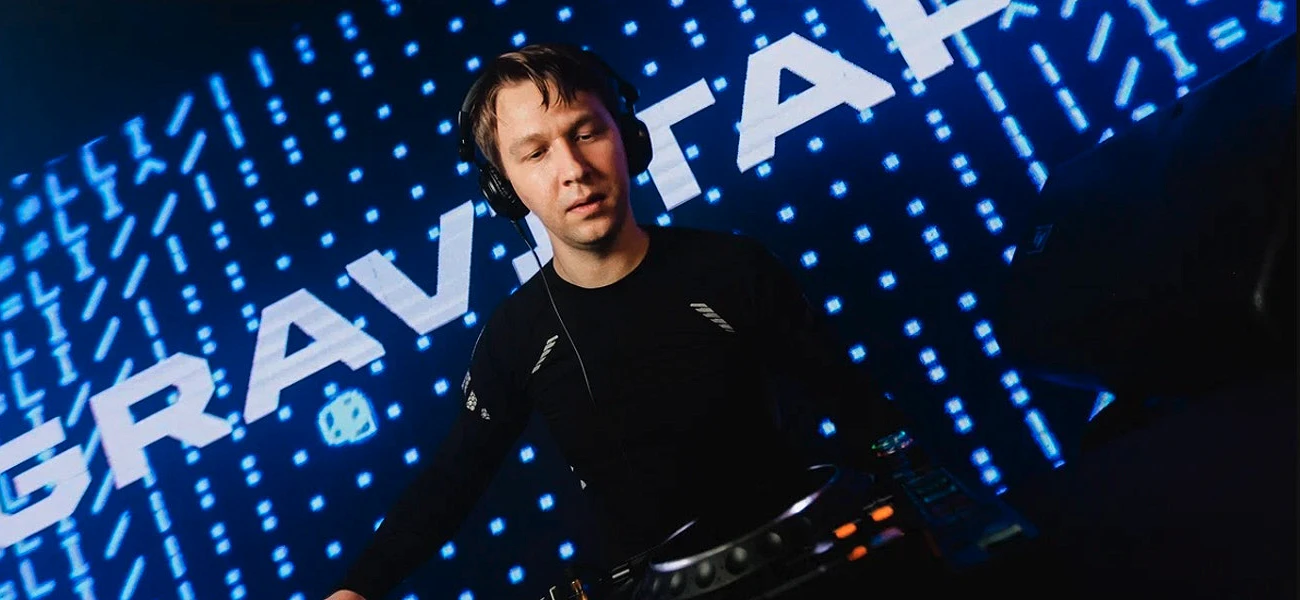
Interview: In conversation with Gravitape: pressure and atmosphere
Featuring Gravitape
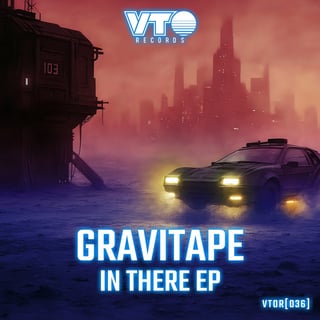
Gravitape discusses cinematic tension, orchestral sound design, and the making of the In There EP for VTO Records.
Russian producer Gravitape has been building a darker, more cinematic corner of neurofunk over the last few years, but In There EP feels especially focused. Released via VTO Records, the EP balances orchestral tension, stripped-back atmosphere, and proper low-end weight without tipping into overcrowded territory. We caught up with him to talk intros, arrangement, Serum experiments, and why Bloodborne ended up influencing the mood of the record.
The intros throughout this EP feel really deliberate, especially on "It's Not Right" and "In There". How important is tension-building for you before the drums properly land?
For me, it’s important to convey not just sound, but an idea - a story that unfolds throughout the entire track. I want to give the listener the opportunity to visualize what they hear and fully enjoy the climax, the drop.
There’s a strong cinematic feel running through the release, but the tracks still hit hard enough for darker dancefloors. Was balancing those two sides something you were consciously chasing while writing the EP?
While writing the track, I consciously leaned toward a more organic, orchestral sound, because music comes first - drums come second. Neurofunk serves more as the culmination of the whole story. It was important for me that the listener perceives both the intro and the drop as one continuous flow, without losing the sense of cohesion from beginning to end.
The orchestral and melodic elements feel deeply baked into the arrangements rather than layered on top afterwards. Does that usually start from keys and harmony first, or from drums and bass pressure?
Strangely enough, it all started with the pressure and energy of the drums and bass - the climax came first, and only afterward the intro, which smoothly transitions into and emphasizes elements of the drop.
It's Not Right has those huge sweeping synths and guitar-like stabs underneath the vocal tension. What was the moment when you realised the track had properly come together?
The guitar there was actually recorded live. As for the other elements, the harmony originally came from the vocal, and then the rest of the instruments followed. What’s also interesting is that the sounds resembling orchestral instruments were actually designed in Serum 2.
In There feels colder and more stripped in places, especially with the piano motif and rain textures carrying so much atmosphere early on. What inspired that mood?
You won’t believe it, but I was inspired by the games Dark Souls III and Bloodborne.
All Over Me goes full pressure almost immediately. What did NERV3 bring into the collaboration that pushed the track in that direction?
The original idea behind the track was to capture the atmosphere of ancient Japan through the use of the traditional instrument shamisen. Later, Nerv3 added shamanic elements to the sound, and we decided to bring in the drop as quickly as possible - around the 44-second mark - to fuse two completely different cultures into one cohesive piece.
Liminal closes the EP in a very different way. The live instrumentation and wider emotional feel almost pull things away from straight neurofunk territory at points. How did the collaboration with Stadia develop?
The goal was to create an orchestral track using only Serum 2. At that time, Stadia and I were just finishing a track for the Avoid Me EP, where he was the vocalist. In Liminal, we worked together on the synthesis and mixing of the sounds we created, constantly exchanging ideas while developing the drop and the story from beginning to end in real time.
You started the project in 2021, but the sound already feels very defined. Were there specific producers or records that helped shape your approach early on?
There was this producer called Memtrix. No one really knows where he disappeared to. The guy basically showed everyone how music would be made for decades to come - and then vanished. Also, Joe Ford, with his unique sound design.
A lot of modern neurofunk can feel overcrowded very quickly. Your tracks leave quite a lot of room inside the mix despite how heavy they get. Is space something you think about consciously when arranging?
I carefully think through the arrangement and constantly pay attention to the sound. I monitor not only the visual indicators on the screen, but also rely heavily on my ears.
Outside drum and bass, what are you listening to most at the moment that is feeding back into your production?
I listen to everything, but at the core, I’m inspired by ethnic music and anything connected to the cultures of different nations. There’s a lot of interesting material there that you can learn from and draw inspiration from.
You’re stranded on a desert island with one turntable, a generator and one record. What’s it going to be?
It’s hard for me to answer that one.
Big thanks to Gravitape for taking the time to talk us through the EP. In There is out now via VTO Records, and if you like your neurofunk with a bit more atmosphere and space left inside the mix, there is plenty to get stuck into here.