The Forgotten Clubs: Mapping DnB’s Lost Venues and Underground Legacy
Charting the rise and fall of UK drum & bass’s legendary venues, from The Blue Note to The End, and what their closure means for the culture’s memory.
For those who grew up inside it, drum and bass was never just about records. It was about the rooms that held the sound. Those dark, low-ceilinged basements and repurposed spaces where basslines hit your ribcage and sweat dripped from concrete. Many of those clubs have disappeared now, taken by gentrification, licensing, and time. Yet their influence still pulses through every modern system that dares to call itself underground.
The Blue Note: Where Metalheadz Found Its Voice
In the mid-1990s, a small Hoxton basement called The Blue Note became the beating heart of a revolution. Sunday nights were home to Metalheadz, the label and family led by Goldie. Behind the decks, Doc Scott, Fabio & Grooverider, Randall and DJ Storm redefined what electronic music could be. The crowd was a mix of producers, heads, and dreamers, all chasing the next step forward.
The room was small, the energy enormous. Dubplates tested there would end up defining an era. Shadow Boxing, Timeless, and countless untitled dubs rolled out to a dancefloor that treated every breakdown as a revelation. The Blue Note’s closure in 1997 marked the end of an era, but its impact was permanent. Every forward-thinking club night that followed still carries its DNA.
Bar Rumba and Movement: The Soul of the City
When The Blue Note’s lights went out, the next chapter began a few miles west at Bar Rumba in Soho. Every Thursday, Bryan Gee and Jumpin’ Jack Frost turned the club into home for V Recordings with their Movement nights. The sound was deeper, funkier, more musical. DJ Zinc and DJ Hype tore through new beats while visiting DJs brought flavours from Bristol, São Paulo, and beyond. When DJ Marky first stepped up to the decks, London fell in love with the sound of Brazil.
Bar Rumba’s Movement nights helped drum and bass breathe again. After years of techstep darkness, this was light, swing, and melody. It was where liquid funk took its first confident steps, laying the groundwork for the rise of Hospital Records and a new generation of producers who understood the power of emotion as much as pressure.
The End: Engineering Perfection
Where The Blue Note was sweat and spirit, The End was architecture and precision. Opened in 1995 by Mr C and Layo Paskin, it was a temple built for sound. Its Funktion-One rig became the stuff of legend, and the venue’s circular dancefloor meant there was no hiding from the sub frequencies. RAM Records took up residence with their monthly sessions led by Andy C. On alternate weeks, Renegade Hardware brought the darkness: Ed Rush & Optical, Fierce, and Loxy turning the club into a machine of low-end precision.
The End was more than a venue. It was where the culture grew up. You could stand by the booth and watch masters at work, or close your eyes and lose yourself in the perfect balance of sound. When it closed in 2009, the hole it left was more than just a geographical one. It was emotional. For many, The End had been a spiritual home.
Herbal: East London’s Home of Warmth
Across town, another space was quietly building its own legend. Herbal, tucked into Kingsland Road, was the heartbeat of Shoreditch long before the word became a lifestyle. Two floors, one system, and a loyal crowd. It was where Hospital Records cut its teeth with early Hospitality events. DJs like High Contrast, Logistics, and Nu:Tone turned its booth into a test lab for melodic drum and bass.
It was also a space that connected eras. You could catch Calibre playing a sunrise set one week and a raucous tech-funk session from Klute or Total Science the next. Herbal balanced underground credibility with a sense of welcome. It was an education, not a branding exercise. When it closed in 2009, the loss was felt deeply, especially among those who had grown up inside its smoke-hazed warmth.
Mass, Heaven and The Paradise Club: Faith, Energy and Foundations
In Brixton, Mass transformed a church into a sanctuary for sub-bass. Under the vaulted ceiling of St Matthew’s, events from Renegade Hardware and Hospital Records filled the space with sound that was both sacred and raw. The acoustics gave every drop a sense of ceremony. For many Londoners, Mass embodied what drum and bass nights were meant to be: intense, communal, and just on the edge of chaos.
At Charing Cross, Heaven played host to some of the most iconic Swerve and RAM Records events of the late nineties and early 2000s. It was the point where underground and mainstream briefly touched, where you might see ravers, students, and industry heads all moving to the same tune.
But before both of them, there was The Paradise Club in Islington. The AWOL nights there in the mid-1990s were foundational. Grooverider, Randall, Kenny Ken and Mickey Finn built the blueprint for what we now call drum and bass. The tapes from those sessions still circulate today, relics of a time when the scene was smaller, rougher, and more revolutionary.
Memory, Loss and the Shape of Change
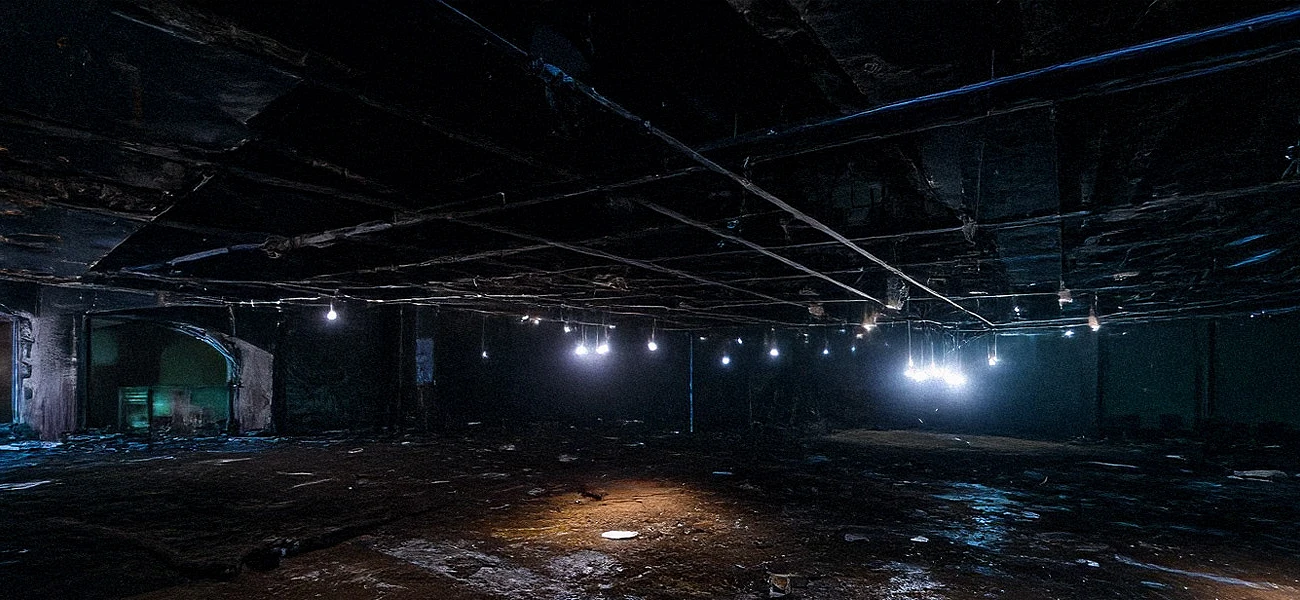
The disappearance of these clubs tells a wider story about the city that birthed them. London has always reinvented itself, but in doing so it often erases the spaces that nurtured culture. Each closure meant the loss of not just a dancefloor but a creative ecosystem. The Blue Note became offices. The End turned into flats. Herbal’s shutters rolled down and never came back up. The sound survived, but the sense of place became harder to find.
Producers and DJs adapted. LTJ Bukem and his Good Looking Records imprint kept spiritual continuity alive with atmospheric sets that belonged as much in concert halls as clubs. New promoters found ways to capture the old energy at Fabric and Corsica Studios. But those who danced through the nineties and early 2000s know that something intangible went missing when the last of those rooms fell silent.
The Museum of Youth Culture now preserves flyers, photos, and oral histories from those nights. You can see familiar faces, read the names on the line-ups, and remember what it felt like to walk into a space that belonged entirely to sound. Yet the true archive lives in memory. In conversations after gigs, in late-night radio interviews, and in the hum of a bassline that still feels like home.
The Spirit That Remains
Today’s drum and bass culture thrives in new environments: festivals, open-air raves, and hybrid venues where sound meets production design. Fabio & Grooverider often reflect on that evolution. “The rooms changed, but the purpose never did,” they said in a BBC interview. “It’s still about connection.”
From pirate radio to global tours, the genre has never stood still. Yet the lessons of the forgotten clubs remain vital. They remind us that scenes need homes, not algorithms, not playlists, but spaces where people can feel the same bassline at the same time. The rooms might vanish, but the energy they created keeps moving forward.
Drum and bass has always been about movement. From the Blue Note to Bar Rumba, from Paradise to Printworks, it has adapted, survived, and redefined itself. What those lost venues gave us was proof that change and continuity can coexist. The walls might have fallen, but the frequencies never fade.