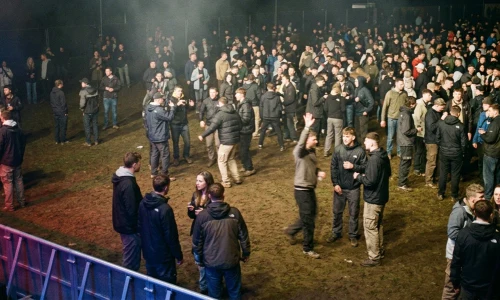
Why Drum & Bass Crowds Stand Further Back Now
Modern drum and bass crowds look different to a decade ago. From phones and LED walls to sound positioning and crowd psychology, the dancefloor has shifted.

Modern drum and bass crowds look different to a decade ago. From phones and LED walls to sound positioning and crowd psychology, the dancefloor has shifted.
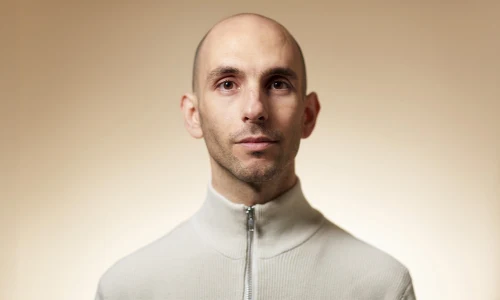
Myselor begins the rollout for his 20-track album Cosmic Expression on Evolution Chamber with opening sampler Breaking Chains.
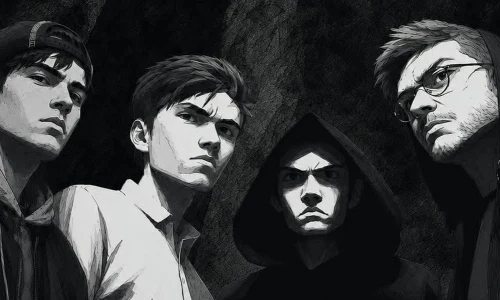
Trueangle and JIROBASS discuss B.O.L.O.T.O / Crickets, collaboration, atmosphere, drum detail, and building tension through contrast.
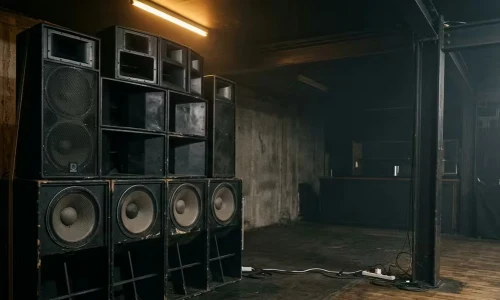
Some drum and bass tracks hit harder without sounding louder. This is how space, tension, groove, and restraint create real system pressure.
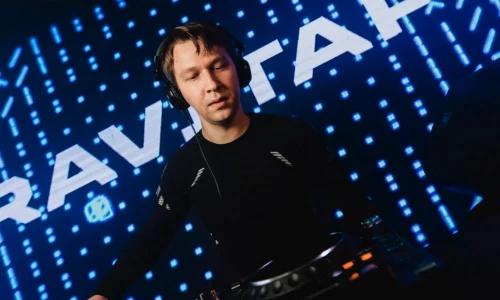
Gravitape discusses cinematic tension, orchestral sound design, and the making of the In There EP for VTO Records.
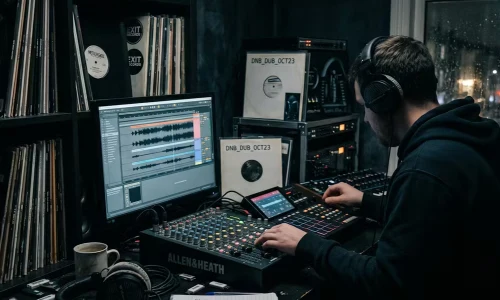
More drum and bass producers are stepping back from social media, replacing constant visibility with dub culture, private channels, and slower connection.
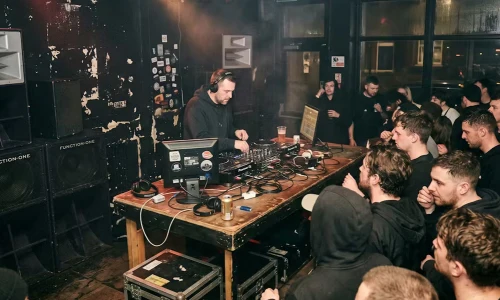
Smaller drum and bass nights outside London are building stronger atmosphere, tighter communities, and clearer identities across the UK scene.

Design-led neurofunk is reshaping drum and bass, with space, tension and cinematic structure replacing density in a shift felt across labels and dancefloors.
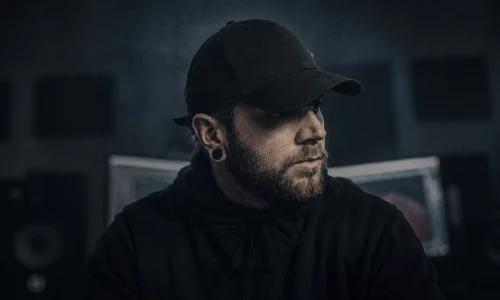
Varkid discusses Finally on Dirtbox Recordings, from unfinished ideas to a full album, covering style, process, and the reality behind the project.

SEAMUS, HALLI and Rasmus Batelly shape Redeem in Orkney, a vocal-led drum and bass track built through shared process and space.
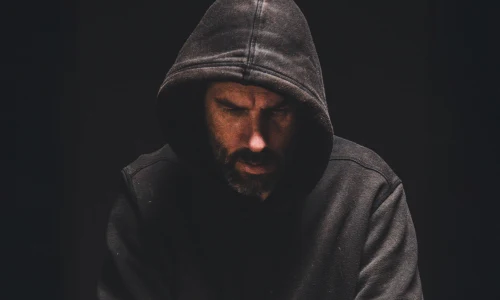
NBC9 discusses his return to drum and bass, building Embassy 9, and balancing instinct with structure across a fast-moving release schedule.
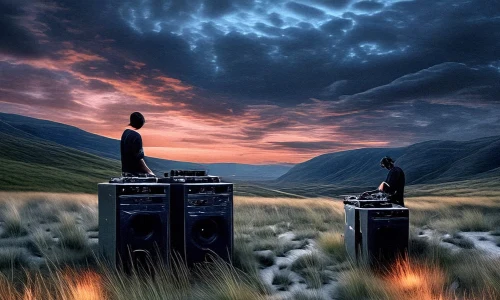
Why the middle of a drum and bass set matters, where groove, control, and system pressure shape how a night really unfolds.
New premieres, reviews, interviews, releases, and scene updates. One email a week, no account required.